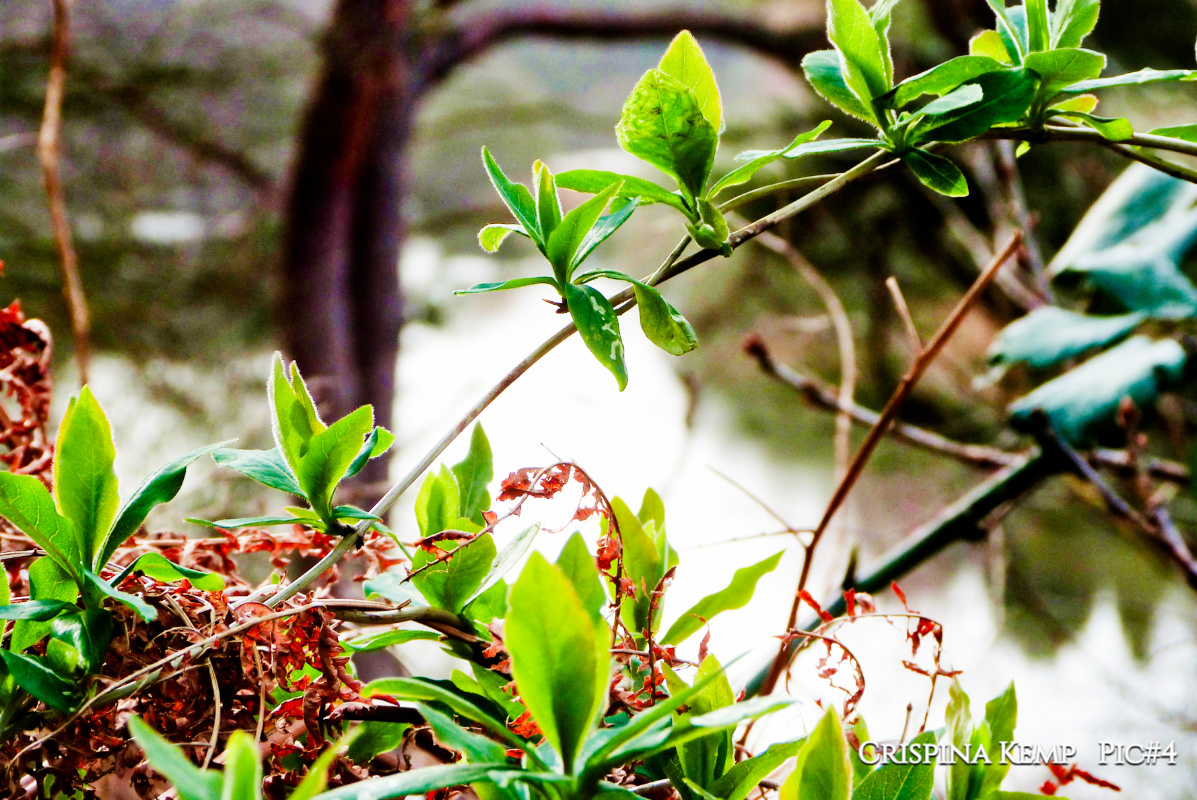
dear mother nature, enjoy this place see this lovely honeysuckle it is a wildlife hotel there’s bees and ladybirds the scent is gorgeous it’s nectar-rich how happy it is ahh
she smiles with little animals like dormice and squirrels it’s a wonderful world and now a celebration sun is above the equator since twice a year it’s the equinox
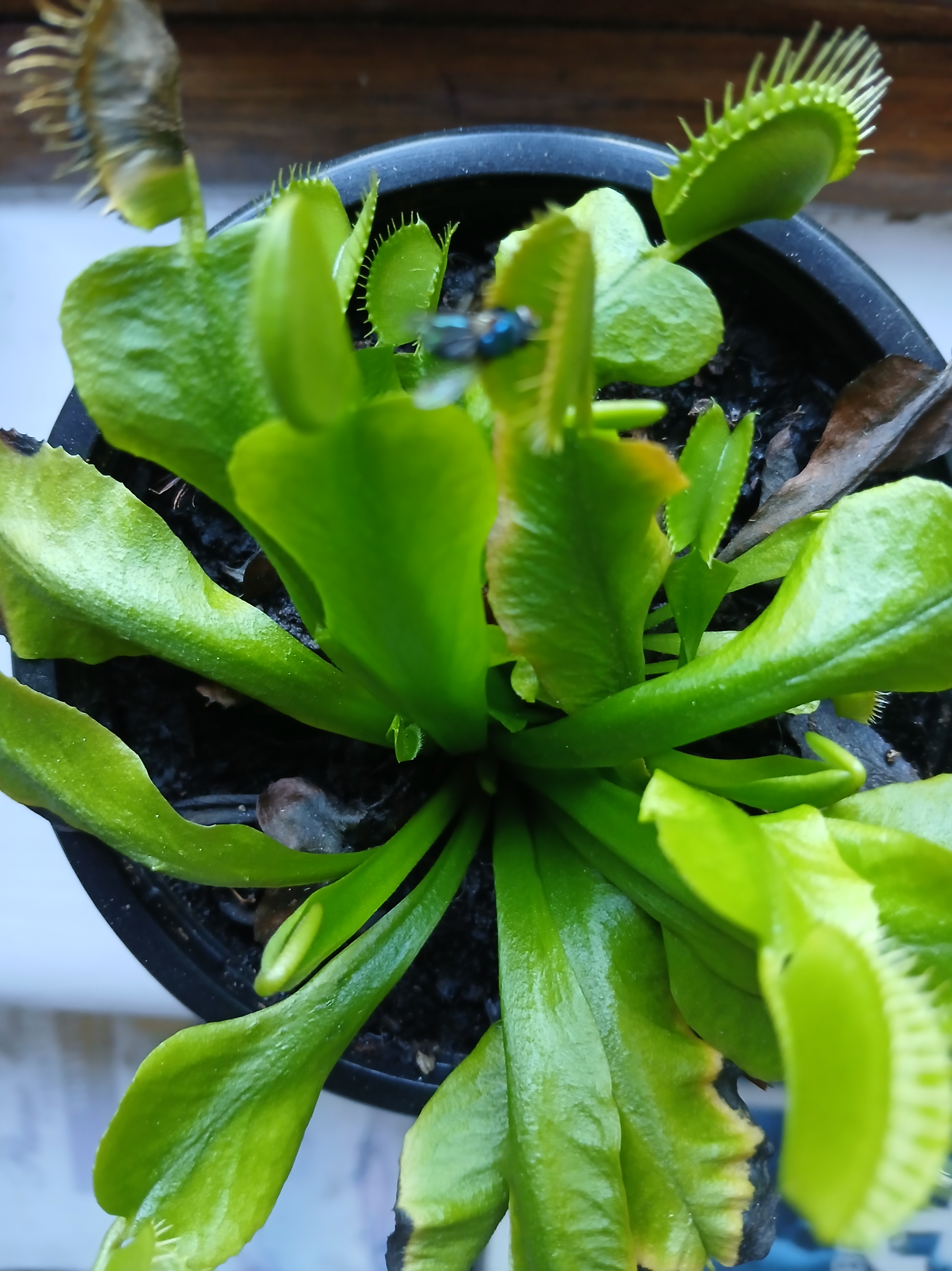
She is a comely gal, mindful though, but then she’ll munch and crunch happily. Goodness gracious!
She’s persistent, for sure, proudly too. She’ll be on the prowl, then strike quickly. Goodness gracious!
She’ll see a visitor, and she’ll wink. There’s an opportunity, but no. Goodness gracious!
She’ll sulk for a couple of hours, but then she’ll open her pretty mouth. Goodness gracious!
She will try her luck again, grinning. You see, she is a Venus fly-trap. Goodness gracious!
~~~~~~~~~~~~~~~
For Colleen Chesebro‘s #TankaTuesday #48 – 20 January 2026 where this week’s host Melissa Lemay’s invitation is to follow poet Marianne Moore’s syllabic pattern in one of her poems. I chose the pattern of 9-syllable lines and a 4-syllable refrain.
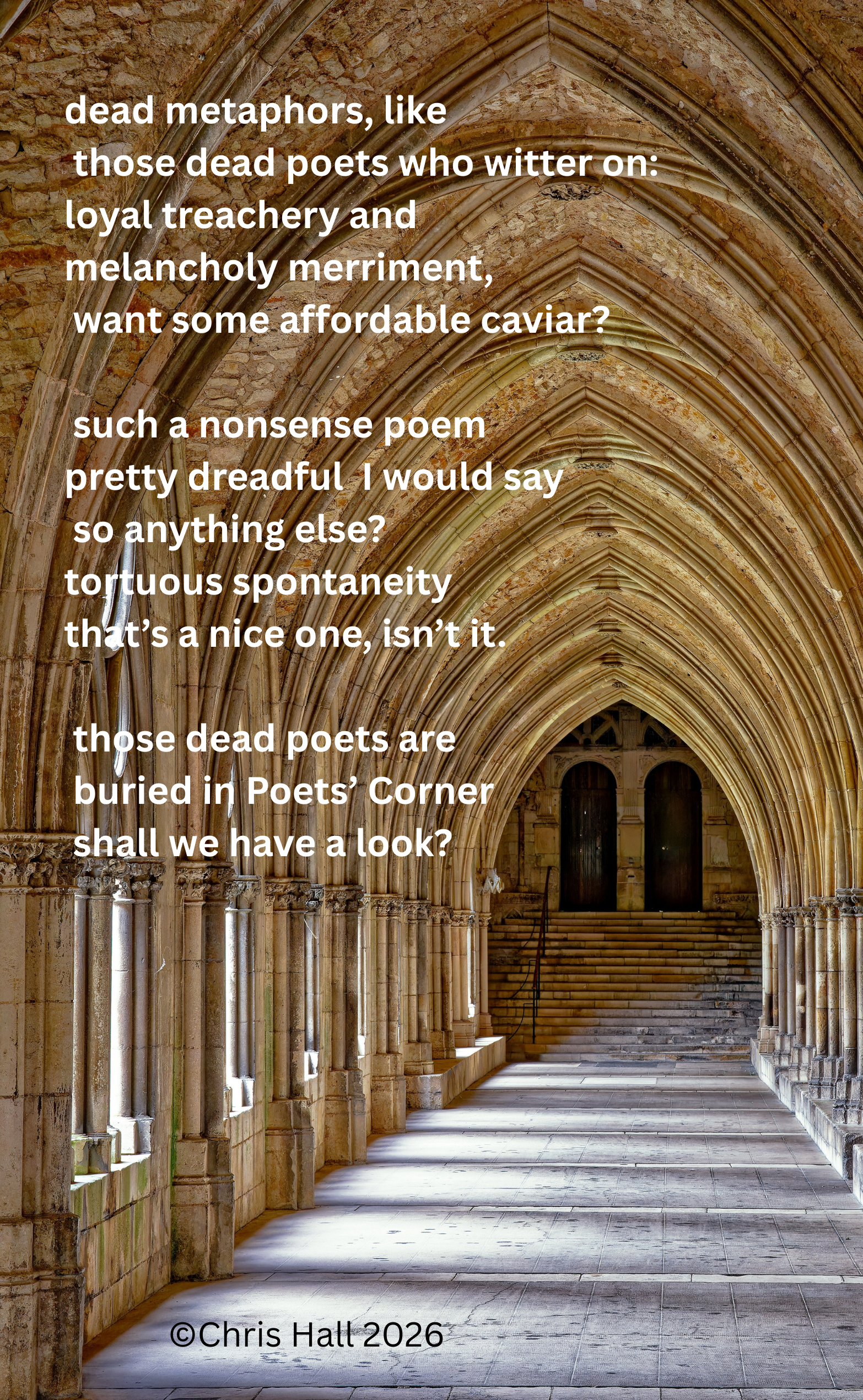
dead metaphors, like those dead poets who witter on: loyal treachery and melancholy merriment want some affordable caviar?
such a nonsense poem pretty dreadful I would say so anything else? tortuous spontaneity that’s a nice one, isn’t it.
those dead poets are buried in Poets’ Corner shall we have a look?
~~~~~
For Colleen Chesebro’s TankaTuesday #47 – 13 January 2026 where this week’s host Robbie Cheadle’s invitation is to ‘choose an oxymoron and write a syllabic poem to demonstrate its meaning.’
a new brood, that’s life these are guinea fowls, cheeky; here’s the family there’s mom, dad, aunt and uncle and here’s the best one – young’un!
~~ “Tame birds sing of freedom. Wild birds fly.” John Lennon ~~
a new guinea fowl learns to chatter and squawk, a lot he’s bigger each day and now he’s a teenager such fun we’re having, we’ll wave
~~~
For Colleen Chesebro‘s TankaTuesday #46 — 6 January 2026, where this week’s host Willow Willer’s invitation is to write syllabic poetry in the form of a puente [using a quote as a three-stanza poem’s bridge]. The selected quote’s topic is to be the writer’s choice. On the topic(s) of ‘new beginnings for the new year or your life.‘
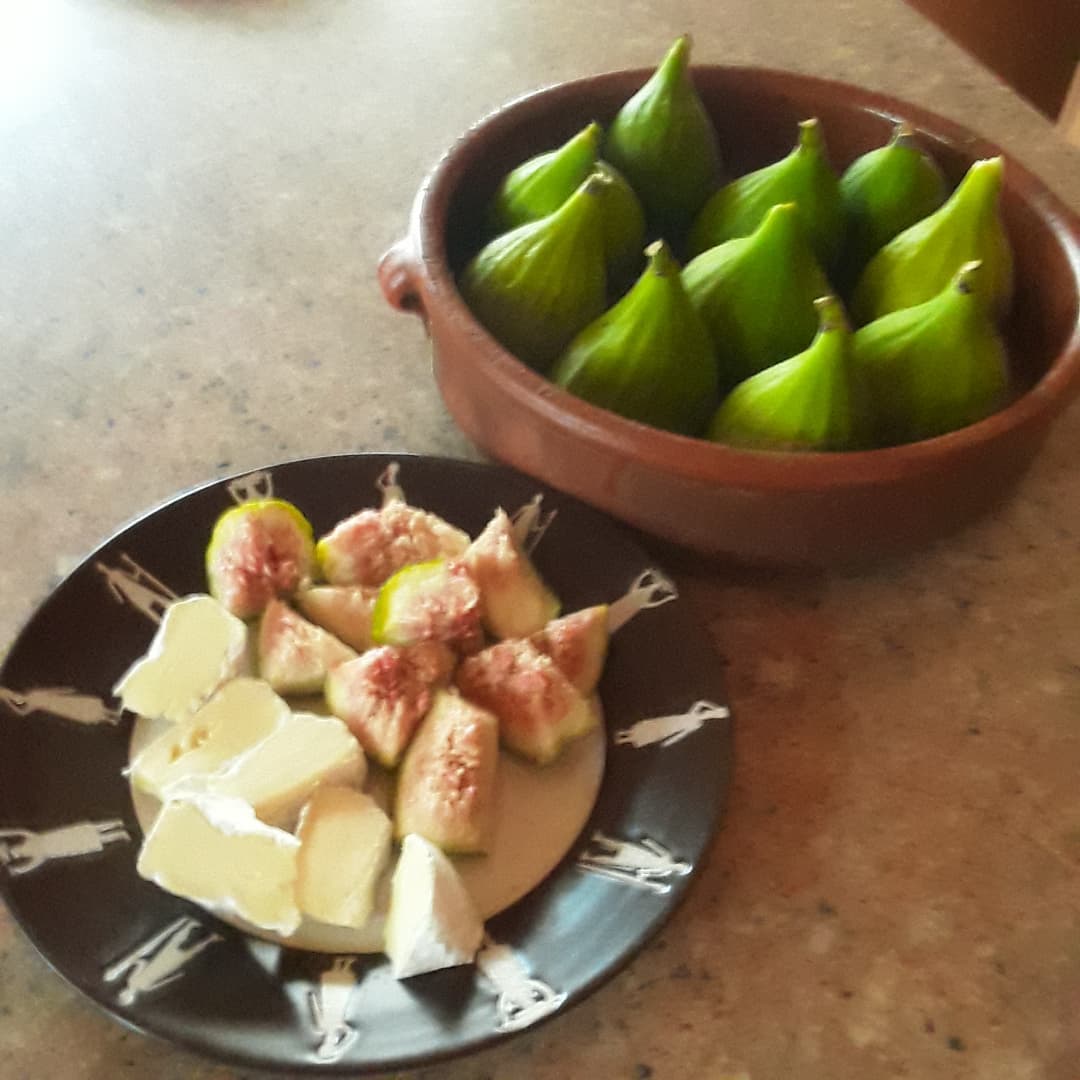
there are figs galore the smell, the taste is divine so much going on
we will eat and enjoy the day squirrels too
yes, that’s right they pick lots of them naughty ones
so open presents and sit outside, lovely, and a little champagne
~~~
Loved your quartet of American cinquains, Robbie, really fab – we’re only around the corner (kind of).
For Colleen Chesebro’s #TankaTuesday #44 – 23 December 2025, where this week’s host, Robbie Cheadle’s invitation is to reflect on holiday Christmas celebrations and family gatherings, using one, some or all, of the five sensesas muses in a syllabic poem.
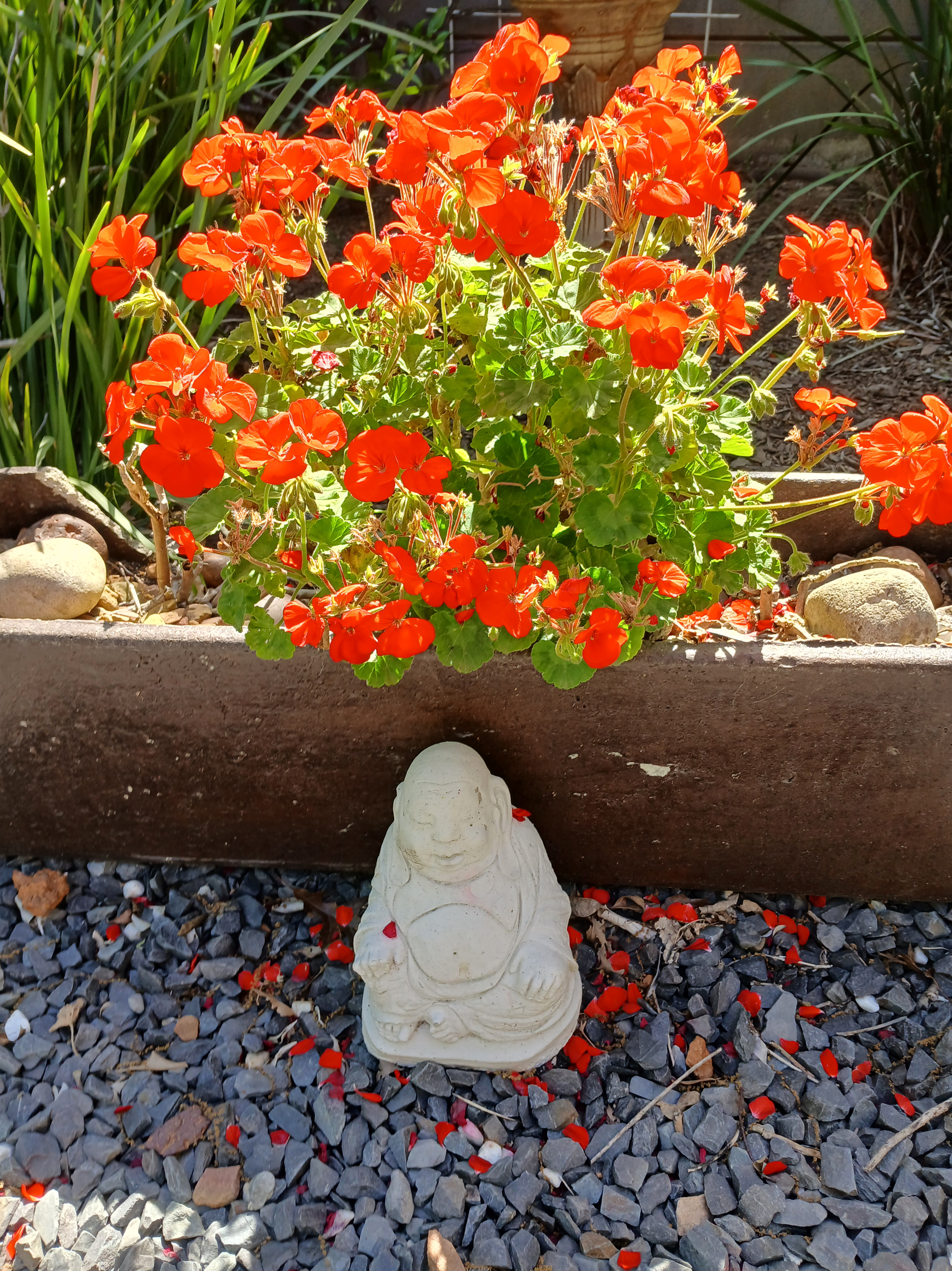
our lovely fat Budai he loves to chuckle and grin he throws happiness and joy here’s a gift, petals!
~~~~~
The Dodoitsu is a fixed folk song form of Japanese origin and is often about love or humour.
The name, Budai, literally means ‘cloth sack’, and refers to the bag he is usually depicted carrying as he wanders aimlessly. His jolly nature, humorous personality, and eccentric lifestyle distinguish him from most Buddhist masters or figures. He is almost always shown smiling or laughing, hence his nickname in Chinese, the Laughing Buddha. Budai is traditionally depicted as overweight and having a huge stomach (possibly a symbol of abundance or forgiveness) and many stories surrounding Budai involve his love of food and drink – perfect for us too!
For Colleen Chesebro’s #TankaTuesday #42 – 9 December 2025 where this week’s host Yvette Calleiro’s invitation is to focus on the word gift/gifting, as a noun or verb and to write a syllabic poem.
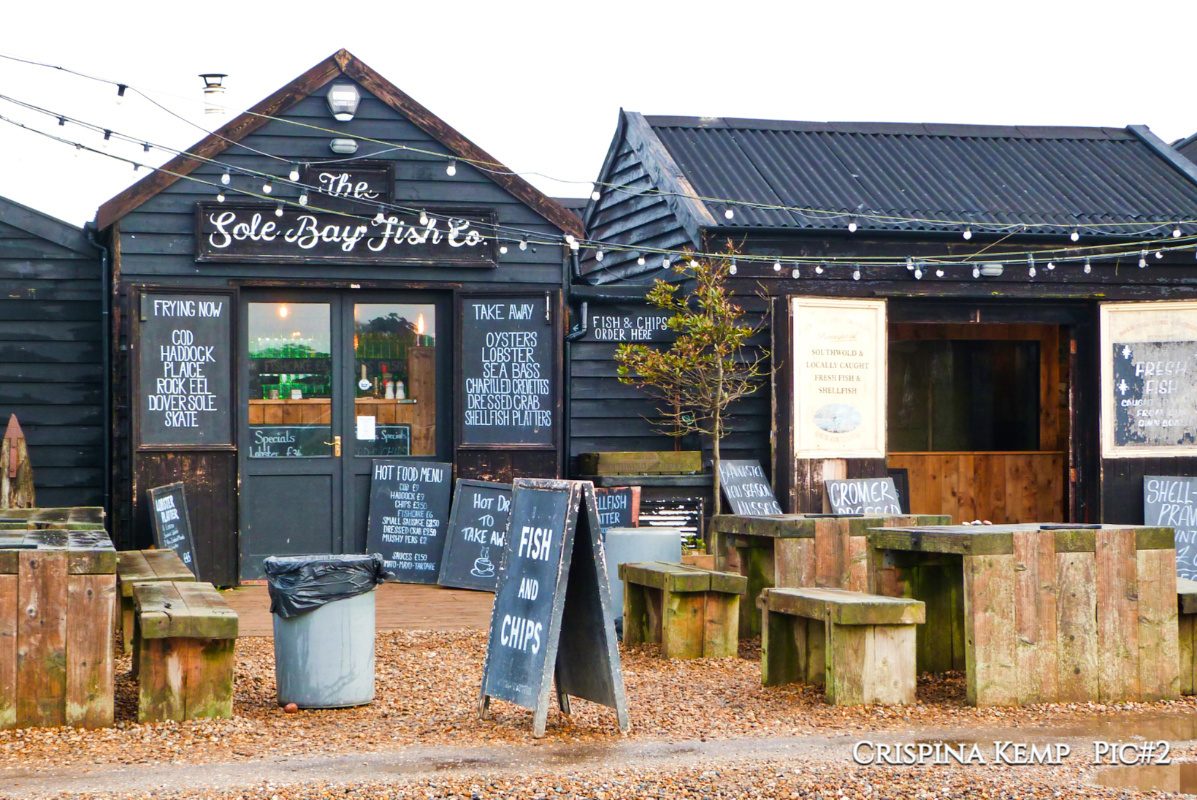
it’s almost Christmas and we will have a fish feast elegant, possibly but don’t miss any lovely juice since we will have some mussels ~~~
Keith Floyd’s Moules Marinière
Ingredients
Fresh mussels, cleaned and de-bearded
Butter
Shallots (or onion)
Garlic, unpeeled and crushed
Fresh parsley
Good white wine
Instructions
Prepare the mussels: Clean them thoroughly, removing any beards or barnacles.
Melt the butter: In a large saucepan, melt a generous amount of butter over high heat.
Sauté aromatics: Add the chopped shallots, crushed garlic, and most of the parsley to the melted butter. Stir for a moment.
Add wine: Pour in the white wine and let it come to a boil.
Cook the mussels: Add the mussels to the pot, cover tightly, and cook over high heat for a few minutes until they open. Shake the pan occasionally.
Discard any mussels that remain closed.
Serve the mussels immediately with their juice and sprinkle with the remaining parsley.
Enjoy: It is customary to serve with crusty bread for dipping in the flavourful sauce.
~~~~~
For Colleen Chesebro’s #TankaTuesday #41 – 2 December 2025 where this week, Colleen’s invitation is ‘to write a syllabic poem on the food/or foods that are served according to your December traditions.‘

 luna's on line