Location, Location, Location #16

Location No 16 – Toxteth, Liverpool 8

This time on our literary tour through the pages of my novels, we return to 1980s Liverpool and visit Toxteth, an inner city area through which the characters of Youโ€™ll Never Walk Alone frequently pass.

I doubt that many people outside the UK will have heard of Toxteth, and even anyone who has will probably associate it only with the headline-hitting riots of the summer of 1981. As it happened, I moved to Liverpool that autumn, although initially to a different part of the city, but three years later, I’d moved to the south of the city and was living in bedsit in a large, three storey dwelling on the edge of Toxteth. It was on this house, complete with its Chinese landlord, who lived in the room opposite mine, that the house occupied by the main characters in the You’ll Never Walk Alone was based.

At one time, Toxteth had been rather grand. In the 18th and 19th centuries the district became home to the wealthy merchants of Liverpool, alongside a much larger, poor population, living in modest Victorian terraces, who came from all around the world to work as dockers and builders. Come the late 1970s, Liverpool, and Liverpool 8 in particular, had been badly hit by economic stagnation and unemployment, sowing the seeds of a growing unrest that escalated and eventually led to the riots. You can read more about ‘The Summer Liverpool burned’ here.

By the 1980s many of the large Georgian and Victorian houses were converted into flats, mainly occupied by students and others on very modest incomes. Crime levels rocketed, especially house-breaking. My landlord, on whom the fictional Tony Wong is based, owned a second property on Princes Road, one of the main thoroughfares in L8, and I put minor characters, Mark and Stu, in a very similar basement flat (โ€˜The Bunkerโ€™). We briefly visit the Bunker in a later chapter and the security measures described are no exaggeration. I remember them well, since a succession of my friends lived there in the mid-80s.

It was one evening in 1984 that a friend and I were walking back to my house from that very basement flat. We happened to come across a couple of young guys who were trying to push start an old van. By chance, I bumped into one of them up by the University only a few days later. Reader, I (eventually) married him; but that, as they say, is another story.

Regeneration began in parts of the area in the 1990s and the area was gradually gentrified and transformed. This is Princes Boulevard today.

Moving onwards towards the city centre, as we do in today’s book excerpt, we walk down the formerly grand boulevards with their blackened exteriors and boarded up windows, passing St Lukeโ€™s โ€˜bombed out churchโ€™ (seen in a previous tour), then crossing the road past โ€˜The Blackieโ€™, which was once a chapel and later a community centre. It was so-called because the walls had been blackened by the soot and smoke over many decades. Finally we come to Liverpoolโ€™s Chinatown, the oldest Chinese community in Europe, but it’s getting late, so weโ€™ll come back and have a proper look around here another day.

‘The Blackie’ (left) now cleaned up and (right) the beautiful archway through which you enter Liverpool’s Chinatown that was brought from Shanghai and re-erected, piece by piece, in 2000.

In the following excerpt, Tony Wong takes an after-dark walk into the city centre. Why Asmar, his tenant Cynthiaโ€™s cat, follows Tony into town isnโ€™t immediately apparent, but letโ€™s just say that later on in the story it was just as well he did.

It was this journey, in which Tony Wong was not alone as he ventured into Chinatown, which partly inspired the title of the novel. The fact that itโ€™s also the title of Liverpool Football Clubโ€™s well-known anthem is (largely) coincidental. The song, You’ll Never Walk Alone, was written by Rogers and Hammerstein for the musical, Carousel. If you’re not familiar with it, you can listen to a selection of excellent renditions by moseying on over to see Jen Goldie who, by happy coincidence, just happened to post them earlier this week.

.

Excerpt from Youโ€™ll Never Walk Alone

Tony Wong had been woken by the beep of his Casio watch. He lifted his head from the cushion and listened. The house was quiet. He pushed the coverless duvet over the back of the couch and stood up.  He pulled on his suit trousers and tucked the shirt he had been wearing earlier that day into the waistband.  He pulled on socks and pushed his feet into scuffed white plimsolls.

Shuffling past the coffee table, he approached the wide bay window and drew aside one of the heavy curtains, the velvety fabric was stiff and slightly sticky to the touch.  Peering around the curtain he checked outside.  Pools of orange light illuminated the empty street, reflecting in the puddles of the dayโ€™s rain. Letting the curtain fall back into place he picked up a folded note from the table. He re-read the Chinese symbols and stuffed the note into his pocket. Then he put on his jacket and took his keys from the chest by the door. He unlocked his door and listened.  The hallway was silent.  He glanced at Cynthiaโ€™s door opposite and saw the post-it note by the payphone on the wall. He didnโ€™t stop to read the message.

He opened the front door with his key. The large panelled door swung open easily.  Streetlight played on the frosted glass casting awkward patterns on the tiled floor of the hall.  Tony stepped out and carefully locked the door behind him. His tennis shoes were silent on the worn sandstone steps that led down to the path.  At the foot of the steep driveway he turned and headed towards the main road.

Asmar detached himself from the garden shadows and padded silently behind him.  His red-gold coat glowed in the light from the street lamps.

Tony Wong trudged purposefully towards the city centre, the cat following.  The midweek traffic was light: just the occasional black cab.  Up ahead a police car, blue lights flashing, siren off, crossed the intersection of Princes Road and Duke Street.  The tall red brick houses with their blank, black windows were silent.  Once the dwellings of rich merchants, some had been converted to bed-sitters over cheap shops, whilst the many boarded up and blackened buildings were the legacy of the notorious riots which had happened a few summers ago.

Man and cat crossed Berry Street by the bombed-out church on the corner with its well-tended public gardens. The church had remained unrestored, a monument to the devastation of the city of World War Two.  Trying to ignore the sounds of the couple who were busy in the grounds of the community building known as The Blackie opposite, Tony pressed on.  He heard the man grunt and swear, then saw him push the girl away.  Tony glanced towards them and saw the man zip up his jeans, while the girl straightened her short orange skirt. He watched them part without a word, he to the cab rank while she, on spikey white heels, stalked back up the hill towards the cathedral.

The lights were still on in the Nelson Street restaurants, the boundary between club land and Chinatown.  Two men holding takeaway cartons swayed past Tony Wong.  โ€˜All right, China?โ€™ one asked him cheerfully.  The other mumbled something and they both chortled as they staggered off up the road.

Asmar remained out of sight clinging to the shadows, skipping up and down through the basement areas and railings.

A few yards further on Tony Wong paused and looked around. Sure that no-one was watching he darted down the passageway into the back entry of the famous Chinese pub which in English was called โ€˜The Nookโ€™.  He picked his way along the rubbish strewn alleyway trying not to think about what might be lurking there.  The cat followed carefully along the top of the wall avoiding the glass shards which had been set in concrete on the wall-top as a security measure. Turning the corner, Tony Wong scampered up the steps at the rear of the building. As he opened the door, light flooded the entry.  He closed it quickly, trying to ignore the flurry of scurrying amongst the rubbish.

Asmar settled down on the wall and waited.


Youโ€™ll Never Walk Alone is available from Amazon in paperback and ebook and on Kindle Unlimited
USA UK ~ CAN ~ AUS IND ~ the rest of the world

Image credits: Liverpool Echo, Liverpool City Council
Location, Location, Location #15

Location No. 15 – The Royal Liver Building, Liverpool

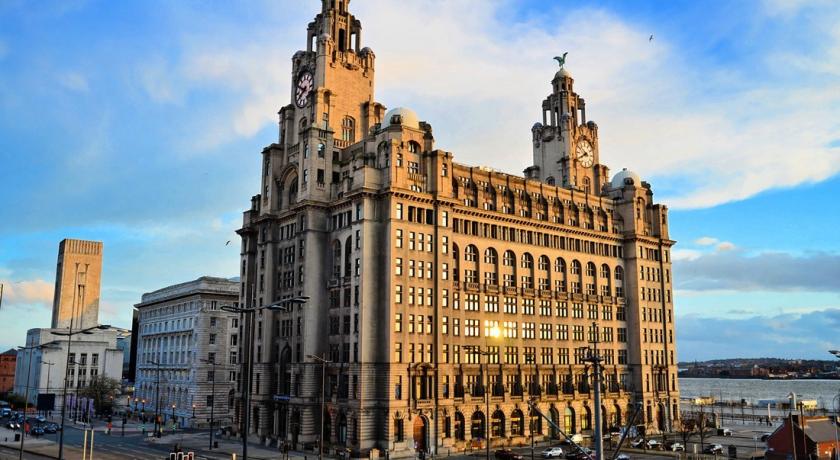
Today, on our literary journey through the pages of my novels, we’re back in Liverpool outside the Royal Liver Building, one of the most recognisable buildings in the city and the setting for a meeting between local Triad leader, Albie Chan and nightclub owner, Alan Green, two of my favourite supporting characters from You’ll Never Walk Alone.

Back in the 1990s, I considered myself fortunate to receive the instruction to carry out an insurance inspection of the building, so I’ve had the privilege of poking around all the nooks and crannies of this historic building from the basement boiler room to the feet of the famous birds that perch on top of the two clock towers!

Completed in 1911, coincidentally the same date as the house we visited last time we were in the city, the building was constructed as the head office of Royal Liver Assurance. It was one of the first buildings in the world to be built of reinforced concrete, and its design has much in common with early American skyscrapers. Thirteen floors high, looking out over the river Mersey, it is an impressive part of the Liverpool skyline, especially when viewed from the opposite bank. Two huge clock towers rise from the building, where two mythical Liver Birds perch (liver rhyming with fiver), each bearing a branch of seaweed in its beak. Various legends attach to these 18ft high birds and one of these is mentioned by Alan Green in the excerpt below.

After hours, the car park on the river side is deserted and rather desolate; the ideal location for Messrs Chan and Green to meet to discuss a bit of business. Let’s join them now…

Excerpt from Youโ€™ll Never Walk Alone

The late afternoon sunlight sparkled on the surface of the murky River Mersey. The fresh-smelling breeze, blowing from the estuary, almost masked the odour of the nearby tannery. Big Al and Joe were leaning on the polished burgundy paintwork of Big Alโ€™s Jaguar XJ6. Big Al looked up at the clock on the Liver Building. It was almost half past six and Chan was late.

โ€œWhatโ€™s that chinky bastard up to, keeping me waiting like this? Our Pauline said sheโ€™s doing something special for our tea tonight. Sheโ€™ll give me down the banks if Iโ€™m late home.โ€ Big Al started to pace about.

Joe shrugged. โ€œDunno boss.โ€ He looked around. โ€œEh up, this must be him,โ€ said Joe pointing at the large black Mercedes rounding the corner of the Liver Building.

Big Al watched as the car cruised up to them. The driver got out. Big Al noticed he was limping. The driver opened the rear door and Albie Chan got out. He was immaculately dressed entirely in black, the only decoration being two tiny dragon heads facing each other on the mandarin collar of his shirt. Big Al was wearing a rather lived-in sports jacket and shapeless cords. Despite his wifeโ€™s protests, Alan Castle was a man who dressed for comfort rather than style.

Chan spoke first: โ€œMr Castle.โ€

โ€œAlbie, mate!โ€ Chan flinched, unnoticed by Big Al, who continued, holding out his hand. โ€œCall me Al, you know, like in the song?โ€ Chan gazed at him blankly, ignoring the proffered hand. โ€œNever mind.โ€ Big Al clapped his hands together. โ€œYou know the story about Bella and Bertie? You know, the Liver Birds up on the towers there?โ€ He pointed at the Liver Building behind them. Chan raised an eyebrow. โ€œWell Bellaโ€™s the girl, looking out to sea for a sailor; and the other one, Bertie, heโ€™s the fella, and heโ€™s looking to see if the pubs are open yet, which they have been for the last thirty minutes.โ€

Bertha and Bertie

โ€œMr Castle, are you referring to the fact that I am a little late? I regret to say that I have had some unforeseen business to attend to. That business concerned the two individuals you spoke to me about last night, one of whom I had expected you to bring to me.โ€

Big Al frowned. Before he could say anything, Chan went on: โ€œYou telephoned me last night to say that my men had caused some disruption in your establishment. I explained the reason for the disturbance and you said you would handle it. After we spoke, I assumed that you would intervene and get hold of the man I was seeking straight away. You did not. Since you did not intervene, my men continued their pursuit. Later, there was an altercation involving the gentleman and his lady friend, which included Ju-long here,โ€ Chan indicated his driver. โ€œUnfortunately,โ€ he went on, glaring at the hapless employee, โ€œJu-long and the two men with him were outmanoeuvred. Then this morning, when you still failed to deliver, I put out some feelers. Information led to Ju-long attempting to apprehend the target at The Adelphi Hotel, but I am disappointed to say that once again he failed.โ€ Chan paused and gave Ju-long a sideways glace. โ€œJu-long knows precisely how disappointed I am.โ€ Big Al looked at Ju-long, but his face remained impassive behind his dark glasses.

โ€œSo what happened?โ€ asked Big Al.

โ€œWhat has happened is irrelevant. What is important is that the man known as Pierre Bezukhov got away. I have unconcluded business with him, which I am anxious to complete. I thought I had explained this to you already. Clearly you did not understand the urgency of the matter. I need to apprehend him and I am reluctant to leave it in the hands of incompetents.โ€

There was a pause. Big Al said: โ€œWell now, no worries, Iโ€™ll just get on the blower and ask whatshisname? New DJโ€ฆJoe?โ€

โ€œMark,โ€ supplied Joe helpfully.

โ€œYeah, get on the blower to Mark. Weโ€™ll get hold of him, find the girl, and she in turn will lead us to your guy. Simple. You donโ€™t need to have people running around town beating each other up. Although Iโ€™m surprised a big guy like him,โ€ Big Al pointed at Ju-long, โ€œcouldnโ€™t take on a couple of dancers.โ€

Joe detected a twitch on Ju-longโ€™s otherwise inscrutable face.

โ€œBezukhov has displeased me and I want him found. I am inclined to leave it to you on this occasion since I have a temporary personnel problem.โ€

Big Al rubbed his hands together. โ€œSo this guy owes you money? Whatโ€™s the deal? And more importantly, whatโ€™s my cut?โ€

โ€œLet us see if you can come up with the goods first,โ€ Chan said. โ€œAfter all, it was your offer and at this stage you have failed to deliver.โ€

โ€œEh, Iโ€™m not just doing this outta the goodness of me heart.โ€

โ€œWell you would not want anything untoward to happen to โ€˜The Pink Parrotโ€™, would you? Even the stupidest of my men can torch a place.โ€

Big Al held his hands up: โ€œAlright, alright, leave it with me.โ€

โ€œVery good, Mr Castle, I will give you until the end of this week. Now run along, I wouldnโ€™t want your supper to get cold.โ€


And finally, a little music to play us out. ‘Ferry Cross the Mersey’ written by the late Gerry Marsden. This version, sung by Liverpool band, Frankie Goes to Hollywood was in the charts at about the time the novel is set. The accompanying video is more recent, but gives you a feel for the location.

As an aside, I once had to take the ferry across to Birkenhead in my slippers because I’d locked myself out of our student house popping down to the corner shop for some milk. My three housemates had all gone home for the holidays and that was were the landlord stayed. Happy days!


Youโ€™ll Never Walk Alone is available from Amazon in paperback and ebook and on Kindle Unlimited
USA UK ~ CAN ~ AUS IND ~ the rest of the world

Image credits: smarttravelapp.com, explore-liverpool.com

Location, Location, Location #14

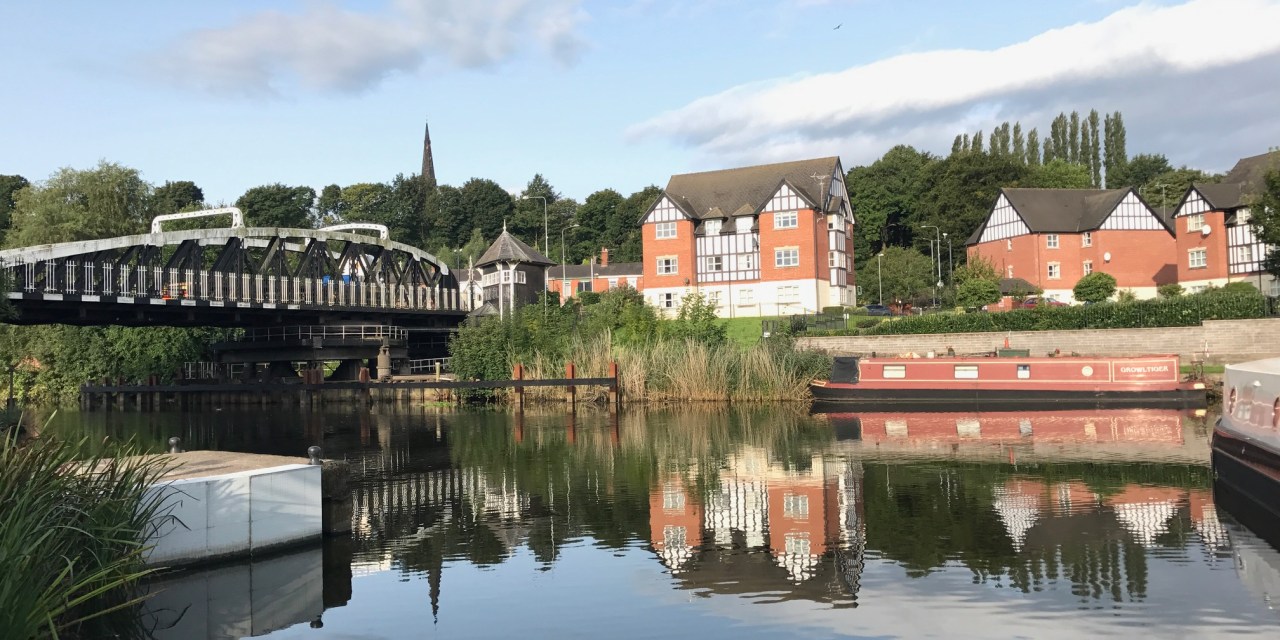
Location No.14 – Northwich, Cheshire

This weekโ€™s stop on our literary journey through my novels takes us to the town of Northwich in Cheshire, on which I based the fictional town of Greaton, where the Ruling Council meets in my historical fantasy fiction novel for younger readers, Following the Green Rabbit.
Established in Roman times, Northwich is an attractive small town with many historic, half-timbered buildings, located in the middle of the Cheshire Plain, where the book is set. The town is most famous for the production of salt, which has been carried on since its establishment. However, a list of tolls for crossing over Northwich bridge in 1353 shows goods coming into the town including carcasses, fleeces, hides and skins, cloth, fish, alcoholic drinks, dairy products, building materials, household goods, metals, glass and millstones, so it would have been a busy little place.

Like Daresbury, I first travelled to the Northwich on a canal boat holiday. Of particular note for canal enthusiasts is the Anderton Boat Lift, a 50 foot vertical lock, which connects the Trent & Mersey Canal with the River Weaver. Sadly it was out of operation when we took our canal holiday in the late 1980s, but it has since been restored. It would be quite a thrill to take a boat up on it!

The slow pace of travelling the canal on a narrow boat and the silence of the flat, open Cheshire countryside stayed with me, and I drew on that memory when I came to write the description of journey that Bryony takes to Greaton, travelling over that same terrain at that same slow speed. The look and feel of the town seemed right, and although I donโ€™t dwell on any description in the novel, the bustle of a busy market town plays in the background, contrasting with Bryonyโ€™s isolation as she sits in the intimidating atmosphere of the Court House waiting to submit her supplication to the Ruling Council in order to free her friends from the clutches of the evil Lord Childecott.
Excerpt from Following the Green Rabbit

Bryony was astonished at the noise and commotion which had greeted them on entering the town. There were people and animals everywhere. Thank goodness John knew where they should go. He reined Rosie in and they came to a halt opposite the Court House, outside the appropriately named Court House Tavern. Bryony slid off the horse, stamping the life back into her legs as John dismounted and patted Rosieโ€™s neck.

โ€œI need to get Rosie some water and let her rest up a while,โ€ said John. โ€œI believe the Ruling Council meets in the building over there,โ€ he pointed at the Court House. โ€œDo you want me to come with you?โ€

Bryony considered for a moment. โ€œNo thank you, John. You and Eliza have been so kind to us already. I wouldnโ€™t want you to get into trouble with Lord Childecott by delivering the supplication with me.โ€

John nodded. โ€œIโ€™ll be waiting for you right here. He smiled at her encouragingly. โ€œGood luck, Bryony.โ€ He touched his hat. Youโ€™re a brave young lady, he thought as he watched her plod determinedly across the muddy track and up the steps to the Court House.

Bryony felt little of the confidence she shown outwardly to John but, as Hodge always said, if thereโ€™s something difficult to do, confront it head on and donโ€™t delay. And so Bryony let her feet take her through the wide entrance to the Court House and into a large vestibule where an attendant was sitting at a tall desk. Bryony took a deep breath and approached. The attendant looked down his long bony nose at her.

โ€œWhat business have you here, girl?โ€ He squinted at her with obvious contempt.

โ€œSir, I have a supplication to offer to the Ruling Council.โ€ Her voice echoed around the empty room.

โ€œCouncil is already in session. No disturbances are permitted. You may wait for the secretary to the Chief of Council.โ€ He pointed at a long bench on the other side of the room.

โ€œBut please, sir,โ€ Bryony held up her supplication. โ€œThis is urgent.โ€

โ€œYou will wait.โ€ The clerk waved her towards the bench with a bony hand.

Bryony crossed the stone floor and sat alone on the hard wooden bench next to the imposing doors which presumably led to the chamber where the Ruling Council was meeting. She glanced at the clerk who was busy writing in a heavy ledger and fingered the edges of the supplication, smoothing down the creases it had suffered from the journey. She stared around the high-ceilinged room then focussed on the door, willing it to open. She sighed. Her hope was ebbing away.


Following the Green Rabbit
available in paperback and ebook from Amazon

USAย ~ย UKย ~ย CANย ~ย AUS ~ย IND ~ ESP ~
the rest of the world

Location, Location, Location #13

Location No. 13 – my former house in South Liverpool

On todayโ€™s stop on our literary journey through my novels we find ourselves outside the house in Liverpool where my novel writing journey began. It was here that I started writing The Silver Locket. Built in 1911, the house was pretty run down when we moved there in November 2000. It didnโ€™t even have a kitchen, although it did have a ghost.

It had been rather a grand house in its time, owned by a widow of the Irish Free State and then by a master mariner, prior to the family we bought it from purchasing it in the 1950s. It even had a flagpole out the back. One of the upstairs rooms still had a push-bell to summon the housekeeper. She would, no doubt, have lived in, and the attic rooms at the top of the house would have been the servantsโ€™ quarters at one time.

I believe our ghost was that of the former housekeeper.

There was no ghostly apparition, but there was definitely a presence; a warm, benevolent presence that I would sense when the house was quiet and I was upstairs, usually in the day-time. Sheโ€™d descend from the attic, traverse the landing, passing the two front bedrooms, then turn to go downstairs, at which point the feeling of someone being there would evaporate. The cats were aware of her too. If one of them was in the bedroom with me, theyโ€™d look up and follow her progress. Even my husband couldnโ€™t deny that there was โ€˜somethingโ€™.

Over time, I came to think of her as Hodge the Housekeeper, who graced the pages of The Silver Locket. Subsequently, as a younger women at an earlier time, she turned up as the housekeeper in Following the Green Rabbit (you canโ€™t waste a good character).

Photo found on Pinterest

We spent several years doing up the house, finishing with the little attic room with the dormer window (top left in the photo), which had a little white-painted fireplace, very like this one. It was this old, untouched room that I translocated to the house, 20 miles away in Rufford, which Laura inherits at the start of The Silver Locket.

The Prologue begins:
โ€œThe silver locket hides beneath the loose floorboard in a small attic room. Sunlight streams through the window pointing towards the tarnished trinket which waits patiently for its secrets to be unlocked.โ€

There was, indeed, a loose floorboard by the little fire place, but sadly there was no tarnished trinket to be found in that hidey-hole. I was so disappointed! But where my locket came from is a different story.

Now, let us join Laura who, having settled back in the old leather armchair and closed her eyes, has the first of her mysterious dreams, which seem to be connected to a little locket she’s found.

Excerpt from โ€˜The Silver Locketโ€™

Laura is in the little attic room. Sunlight and birdsong stream through the open window. She looks around. The room is simply furnished, with a table and chair in one corner and an overstuffed couch facing the window. A large chest has been placed under the window and a small silver framed mirror is propped against the wall on the mantelshelf over the fireplace.

She approaches the fireplace, intrigued by the metal fire surround. Someone has started to decorate the raised sunflower pattern in yellow and green paint. Then she notices that she has a paint brush in her hand. It is she who has been carefully painting in the flowers on the dull metal.

She looks in the little mirror and is surprised to see another face reflected in the glass, the face of a young girl, her long dark hair drawn back in a thick plait. She is wearing a white cotton pinafore and the front of it is stained with yellow and green paint.

“Miss Cathy! Miss Cathy! Are you up here? What are you doing?”

The face looks guilty and turns toward the door.

The woman appears in the doorway, her face flushed from climbing the stairs.

โ€œThere you areโ€ฆ and look at the state of you,โ€ she says. There is an Irish lilt to her voice and although she is frowning, she doesnโ€™t seem cross.

Laura feels the girlโ€™s guilt and puts the paint brushes in their water jar, which is balancing on the narrow mantelshelf.

The woman is well-built and dressed in a stiff white blouse and long black skirt, Laura judges her to be in her thirties. She advances into the room and stands next to her, viewing the newly-decorated fireplace.

โ€œThat looks much more cheerful, so it does. This little sitting room of mine could do with a spruce up, not that I have time to use it.โ€  The woman turns and smiles. โ€œNow come and get cleaned up.  Your motherโ€™s ready for her afternoon tea.โ€

As she is gently escorted from the room, Laura catches sight of her reflection in the little mirror. The face looks pleased, but her eyes look sad.

Obediently she follows the woman down the narrow stairs onto the landing. The house is familiar, but the furnishings are different and the layout wrong in some way, which Laura canโ€™t identify. The woman takes her into a bedroom and pours water from a heavy-looking jug decorated with dark blue roses into a matching porcelain bowl.

โ€œNow wash those hands while I find you a clean pinafore. You know how a mess upsets your mother.โ€


The Silver Locket
(written under pen name Holly Atkins) is available in paperback and ebook from Amazon.

USA UK ~ CAN ~ AUS ~ IND
the rest of the world

Psst! – Fancy a look inside my old house? This site still has the photos from when were selling it.

Location, Location, Location #12

Location No.12 – Sefton Park, Liverpool

Todayโ€™s stop on our literary journey through my novels takes us back to Liverpool, to Sefton Park where a little piece of the action in You’ll Never Walk Alone plays out.

I lived within a short walk of Sefton Park for more than 15 years, moving from one bedsit, to three different flats and eventually my own house. We only have a fleeting glimpse of the park in the book, but the location gives the narrative a sense of place, particularly to anyone familiar with the city.

And now, as I imagine myself back in the park, Iโ€™m engulfed by a huge wave of nostalgia, which threatens to stay my fingers while I wallow in memoriesโ€ฆ but no, we must press on!

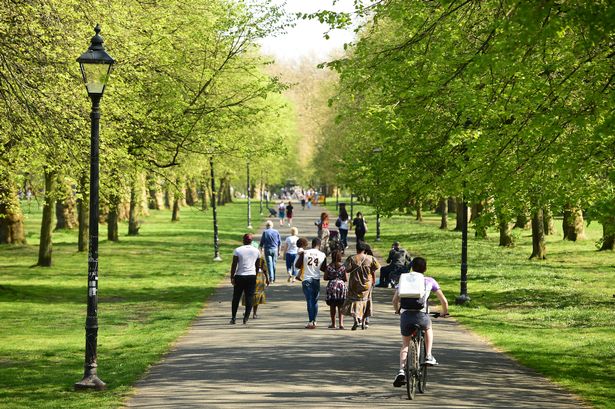
Sefton Park is a huge and glorious public park; a green island set amongst row upon row of terraced houses dating from the early 1900s, and encircled by impressive old mansions, once the homes of rich merchants, civic dignitaries and even a foreign embassy or two, although many of these have been converted into rather desirable flats. Over the years I spent countless hours in Sefton Park, wandering its paths, feeding the ducks on the lake, and on occasion, watching my friendโ€™s husband playing cricket or, more accurately, sitting in the sun gossiping over a glass or two of wine (sorry, Jim, you scored how many?).

In all the time I lived there I donโ€™t  think I ever took a photo of any of the wonderful aspects of the park, so let me hand you over to another ‘tour guide’ whose blog I came across the other day. Take a moment for a spin around the park to see why it’s such a special place.

Click on the LINK

I hope that gave you a little flavour of a true Liverpool gem.

And now, we’ll take a tiny detour into Lark Lane, which is just across the road and where, if youโ€™d met up with friends in the park of an afternoon, youโ€™d be sure to end up.

Lark Lane, Liverpool

Lark Lane was, and still is, a lively little street, full of trendy bars, โ€˜properโ€™ pubs, well-priced eateries and quirky shops. Itโ€™s popular with students and locals alike, and perfect for a Sunday lunch or a weekend night out. Needless to say, my friends and I spent a fair amount of time hanging out here over the years.

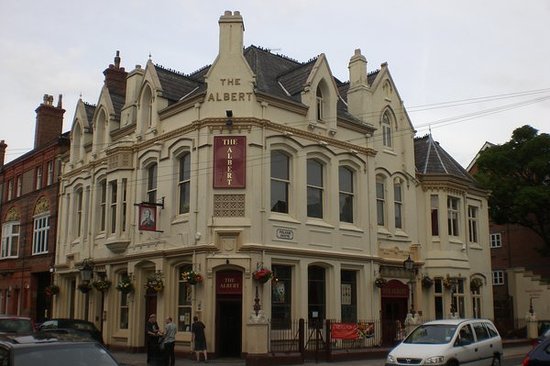
Now, back to the book. The house in which my principal characters live in Youโ€™ll Never Walk Alone, is based on a very similar house, also with a Chinese landlord, where I rented a room, back in 1984-5. Just a stoneโ€™s throw away from the northern edge of the park itโ€™s a pleasant 15 minute walk over the grass and along the paths to Lark Lane where we join Gary and Bob for a lunchtime pint. Of course they choose The Albert, a traditional ale house, over one of the poncy wine bars (as Bob would, no doubt, say).

The Albert, Lark Lane

Excerpt from Youโ€™ll Never Walk Alone

Bob looked up from the Echo heโ€™d found on the seat next to him as Gary put their drinks down on the scuffed wooden table.

โ€œCheers mate,โ€ said Bob as he picked up his pint. He swallowed some of the golden liquid. โ€œI keep thinking about that Pierre guy. Why would he have a load of Chinese thugs after him?โ€

โ€œWho knows? Maybe we should ask Tony?โ€

Someone switched on the television. The highlights from the previous dayโ€™s football were showing. Bob and Gary turned their attention to the game. Neither of them noticed the three smartly dressed oriental gentlemen whoโ€™d just entered the pub.

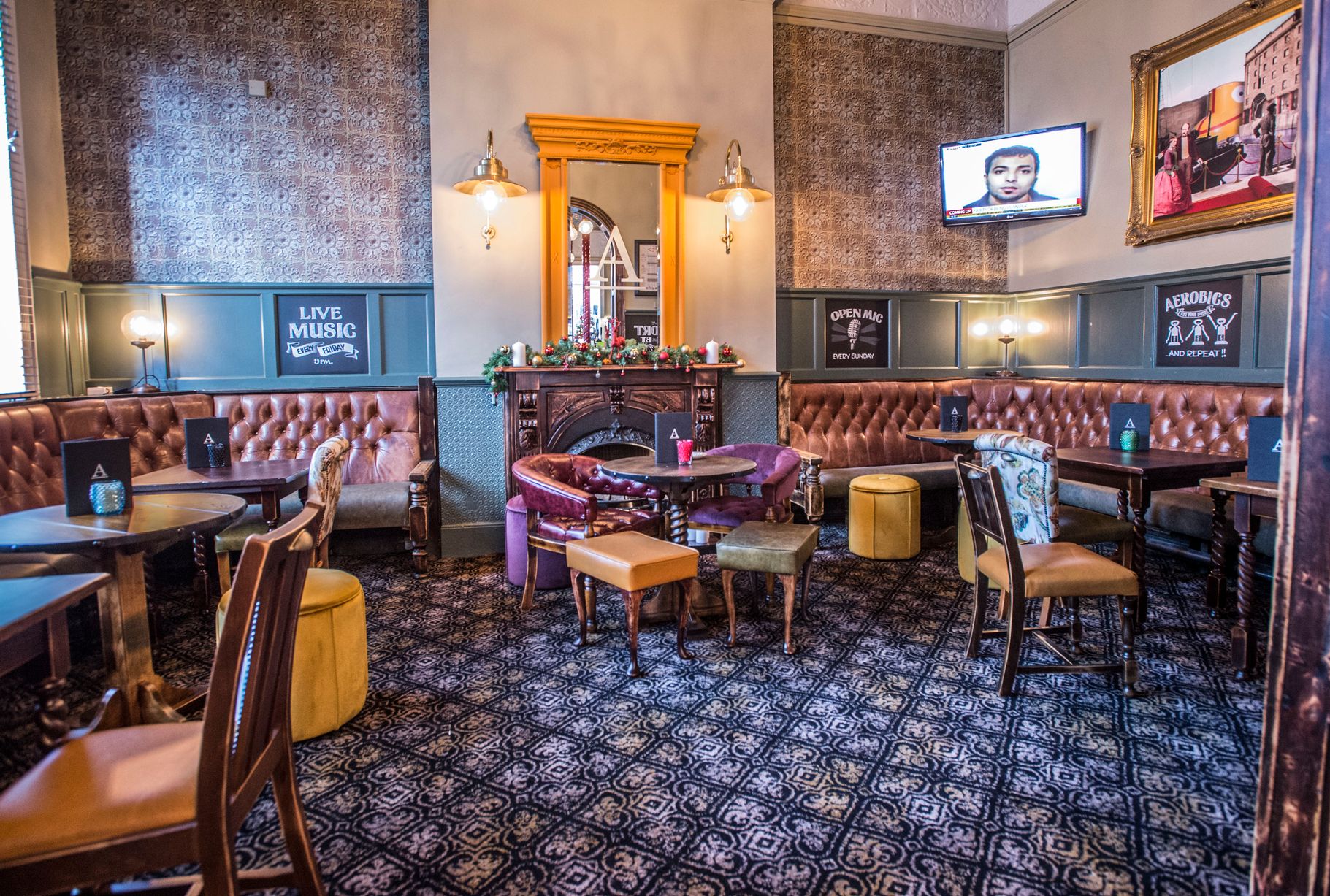
Inside The Albert

The match highlights had finished as Gary and Bob drained their second pints. โ€œBetter get off then, I suppose,โ€ said Gary putting his glass down on the table. Bob nodded.

Gary glanced towards the bar as he picked up his jacket. He grabbed his friendโ€™s arm. Bob looked at him: โ€œWhaโ€ฆโ€

Gary put his mouth close to Bobโ€™s ear: โ€œDonโ€™t look round, but there are three Chinese guys at the bar. โ€œDโ€™you think theyโ€™re watching us?โ€

Bob frowned and started to turn around. Gary jerked his sleeve. โ€œDonโ€™t lookโ€ฆโ€

โ€œDonโ€™t be daft, what would they want with us?โ€

โ€œThe thing with Lucy,โ€ Gary hissed, raising his eyebrows.

โ€œLook, youโ€™re just being paranoid. Cโ€™mon, letโ€™s get off.โ€

Gary let go of his arm. โ€œAlright, but maybe we should get a cab?โ€

Bob rolled his eyes and put on his jacket, glancing across to the bar as he did so. The three Chinese guys were busy chatting and didnโ€™t even look up. โ€œOkay, letโ€™s go.โ€

As the door swung shut behind Gary and Bob, the three men finished their drinks and headed after them.

Walking through Sefton Park on a sunny Sunday afternoon – what could possibly happen?

Bob and Gary crossed the road into Sefton Park passing a queue of noisy children by an ice cream van. As was usual on a warm Sunday afternoon, the park was busy with families, couples and dog walkers. Bob sometimes went fishing in the central lake, not that heโ€™d ever caught anything. Few people did. Gary cast a look over his shoulder, but there was no sign of the Chinese guys. Bob was probably right, he was being paranoid. They plodded across the grass, skirting around a football match between two teams of random players, before reaching the edge of the boating lake.

Suddenly they were aware of someone running behind them; there was a shout. Both turned to see one of the Chinese guys from the pub. The other two werenโ€™t far behind.

โ€œShit,โ€ Gary muttered under his breath.

โ€œLook, weโ€™ll just have to face up to them. Thereโ€™s loads of people around. Itโ€™ll be fine, no-oneโ€™s going to attack us here in broad daylight,โ€ Bob muttered back, flexing his fingers ready to fight if need be.

The Chinese guy slowed down to a walk and approached them. His friends had caught up and had fallen in just behind him. The guy in front reached into his jacket pocket.


Youโ€™ll Never Walk Alone
is available from Amazon
in paperback and ebook
and on Kindle Unlimited

USA UK ~ CAN ~ AUS IND
the rest of the world

Image credits:
Liverpool Echo, Visit Liverpool, Trip Advisor

Location, Location, Location #11

Location No. 11 – The West Coast National Park, South Africa

This time, on our literary journey through the pages of my books, weโ€™re back in South Africa to explore a little more of the beautiful west coast, where Song of the Sea Goddess is set. My imaginary little town isn’t a single place, but an amalgam of different locations, all quite close to each other, but brought together so as to satisfy the needs of the narrative.

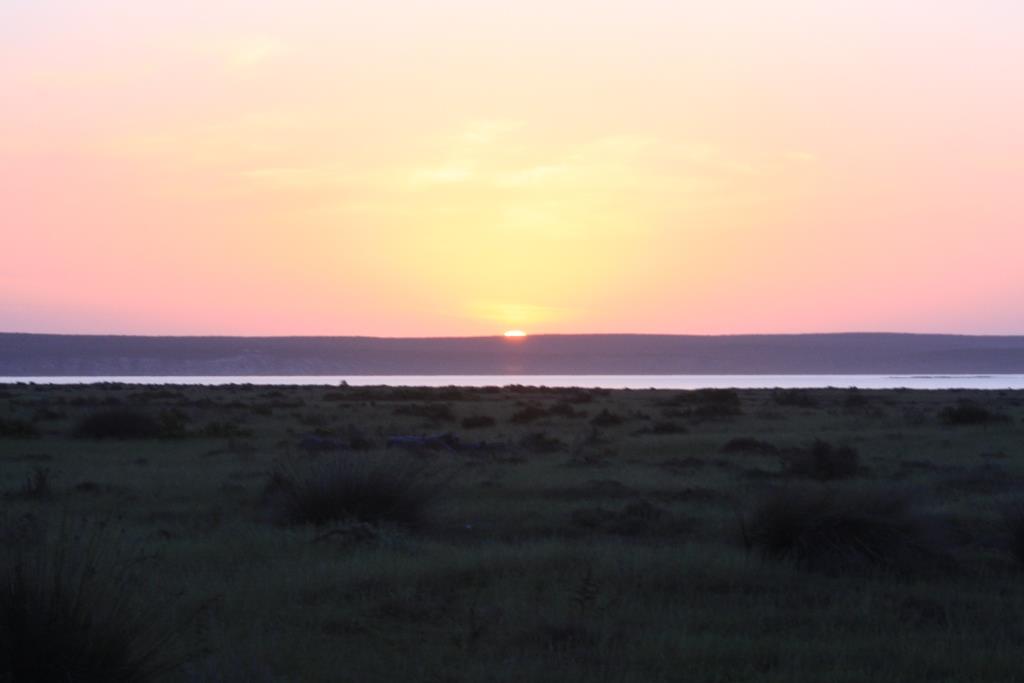
Today’s visit is to a key site for the story. So pause, feel the African sun on your back, breathe in the salty sea air mixed with the sweet, spicy scent of the fynbos under your feet, and join me in the West Coast National Park, where the flora and fauna are protected and visitors now step lightly on the land.

I first visited the park on a day trip with my cousin and her husband, while they were visiting from the UK. Itโ€™s a lovely place for a walk by the lagoon, a little bird spotting and a pleasant lunch.

As a quick aside, the photo for the cover of my short story collection was taken at the restaurant.

These attractive yellow birds are weaver birds, whose nests fill the trees above the outdoor seating area. The males painstakingly weave their intricate nests out of grasses and the fussy females make their choice. If they don’t like them they destroy them and start again.

Better than a day trip is a couple of nights spent in the self-catering accommodation in the park. Some of the cottages are very isolated so that once the day visitors have left, itโ€™s just you and nature and the night.

On one such visit, the sun had slipped beneath the horizon, not long after the photo above was taken, and we were sitting contemplating the dying embers of the braai (barbeque). Suddenly we were roused by a strange clicking sound. Lots of clicking. There was something around the other side of the cottage. Slowly we crept around the building.

What an amazing sight! One after another, a long ribbon of eland were walking past the cottage between us and the lagoon, no more than 20 yards away from where we were standing. There must have been about 50 of them, knees clicking as they walked, apparently so they can keep in touch with one another in the dark, or so I was once told by a park ranger.

Listen carefully. My increasingly arthritic knees can relate!

And now we come to the specific location and its role in the story. In the excerpt below we meet Jannie, one of our main characters, and catch an early glimpse of a mysterious, mythical figure who dives from the โ€˜looming headlandโ€™, which is a key part of the local landscape.

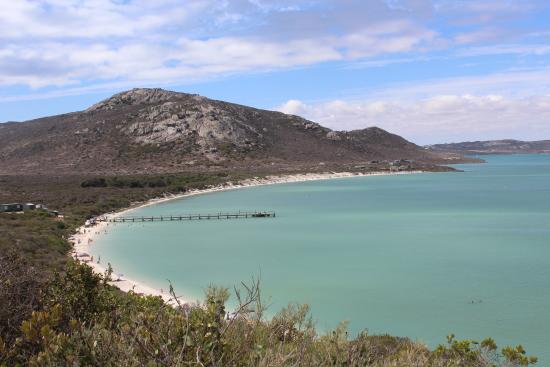
This is the โ€˜borrowedโ€™ location, Kraal Bay, on the Langebaan Lagoon in the National Park. This is the place where Eve’s footprint was discovered: a set of fossilized footprints left in the sand some 117,000 years ago by one of the first people to walk on this shore.

My imaginary headland is possibly a little more whale-shaped, but that is the writerโ€™s mind at work. Knowing the paths of the ancient people ran through this place, what else might be eventually be discovered beneath this domed hillside?

Kraal Bay – sanparks.co.za

Excerpt from ‘Song of the Sea Goddess

Jannie stretches out his legs and breathes in the warm sea air, which is laden with the smell of diesel and freshly caught fish. He smiles to himself. This is the life, he thinks, far away from all his cares and responsibilities. Itโ€™s been a stroke of luck that his brother, Robert landed a two month contract working up-country, and asked him if he would like to come and mind his little house on the coast while he was away. Robert, a long-time widower, lives alone now his familyโ€™s grown up and moved to Cape Town. He didnโ€™t want to leave his house unoccupied. People are for the most part honest in the little town where heโ€™s settled, but with more mouths to feed and fewer jobs, no oneโ€™s propertyโ€™s safe for long.

Jannie has his own problems back home. Much as he loves his extended family, it was all becoming too much. What with his own grown up children, their children and assorted aunties, nephews and nieces constantly calling upon him for help, heโ€™d really had enough. It wasnโ€™t as if they couldnโ€™t manage without him. It would be good for them, especially his four sons, to stand on their own two feet for a change.

He casts his eyes over the small harbour, looking out for Sam in his little fishing boat, Porcupine, which heโ€™d helped him repair over a week or two when he first arrived. Jannie likes to keep busy, and was pleased to be able to use the skills heโ€™d gained during his fifteen years at sea. But thereโ€™s no sign of Sam or little Porcupine. Perhaps theyโ€™ve gone further up the coast for a while, he thinks. Sam might be turning a better profit for his catch at one of the other busier harbours up the coast.

Remembering the past, Jannie chuckles to himself and closes his eyes. Heโ€™d run away to sea with his friend when they were just twelve years old. Carrying a little bag of warm clothes, heโ€™d snuck out of his motherโ€™s shack while she was sleeping and met his older sister up by the highway. She had a job in a bar next to Cape Town harbour, and she knew an officer on one of the deep sea fishing boats who would help them once they were on board. Jannie recalls standing in the almost pitch black on the quayside, his body swaying, thinking it was the ground under him which was moving, when in fact it was the looming steel hull of the ship in front of him. And oh, they had been so sick once the ship was underwayโ€ฆ

Shouts and running feet jolt Jannie back to the present. The harbour master, jamming his peaked cap on his head, rushes past him towards the southern end of the harbour, where a small group of people have gathered. Jannie stands up and shakes himself, then hurries after the harbour master to join the gathering crowd, jumping up onto the harbour wall to get a better view of whatโ€™s caught their interest.

A tall, slender woman in long skirts is standing on the edge of the headland across the estuary. Her arms are held out in a welcoming gesture as dozens of whales break the surface of the waves before her. She lifts her head skywards, spreading her arms out widely, in a pose that reminds Jannie of the statue heโ€™d so admired, long ago in Rio de Janeiro.

The woman opens her mouth and a loud, ululating song resonates across the bay. Suddenly the whales take to the air; wave upon wave of them. Jannie blinks and shakes his head. Whatโ€™s going on? The womanโ€™s song grows louder. The whales are flying! Jannie pinches himself.

The sky darkens, filled with the huge beasts. Then the song stops.

A close up of the womanโ€™s face appears before Jannieโ€™s eyes. She smiles revealing a row of pointed teeth. A selkie! Heโ€™d heard talk of these when heโ€™d been sailing in northern waters. Jannie feels the harbour wall ripple beneath his feet.

Her face disappears. Up on the headland he watches her dive into the ocean. Her silver seal tail flaps once above the waves, and then sheโ€™s gone.

Jannie looks around. Heโ€™s alone on the harbour wall. A man passes close by him, he glances up and smiles, tipping his broad-brimmed hat in Jannieโ€™s direction, while behind him, people are going about their business as usual. Jannie sits down on the wall and rubs his eyes. He looks up, the headland is deserted. Far out in the ocean he sees a solitary whale breaching.

Jannie returns to the white plastic chair that heโ€™s claimed for himself and sits down. He rests his head in his hands, his thick brown-black dreadlocks spilling over his shoulders. Itโ€™s been more than ten years since he gave up the booze. So what kind of strange vision has he just had?


e-book and paperback available on Amazon:
USAย ~ย UKย ~ย INDย ~ AUSย ~ย CANย ~ย ESP
Rest of the World

download from Kobo

Location, Location, Location #9

Speke Hall, Liverpool

Todayโ€™s stop on our literary tour through my novels takes us to a specific location in South Liverpool. Grade 1 listed Speke Hall has a fascinating history, and a whole novel could have been constructed around a number of events associated with the house and its inhabitants. However, it purely serves as a backdrop to my story.

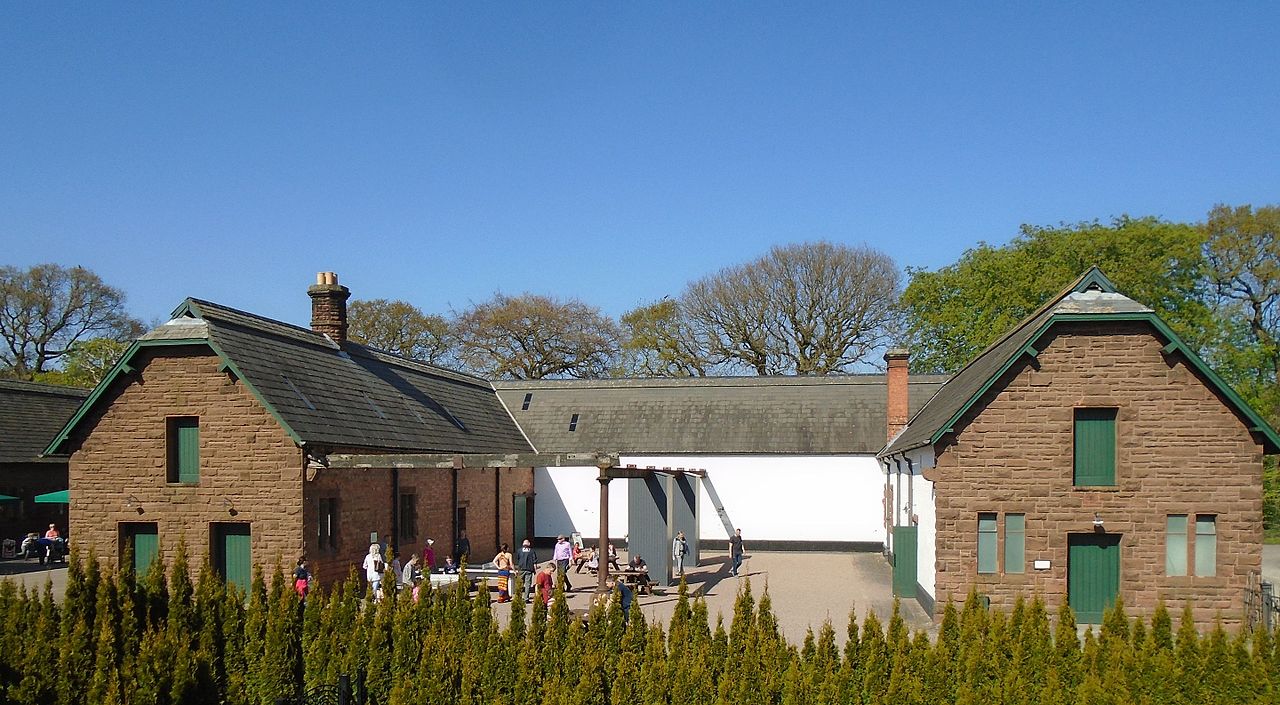
My familiarity with the building is connected to the tea-rooms there, and not just for the coffee and cake, although as any writer knows, that would be reason enough. It was, among a number of venues, where I used to meet with members of my team to conduct their appraisals. We were all home-based workers, probably some of the first back in the early noughties, and following a remark from one of my neighbours about the number of โ€˜gentleman callersโ€™ Iโ€™d had to my house, I realised that having home-based meetings was probably not such a good idea. Hence I came to know the nearby tea-rooms at Speke Hall rather well. Not all the meetings were easy, but the lovely setting made the whole business a little less stressful, and allowed my reputation to recover.

Speke Hall – tea-rooms and visitors’ centre

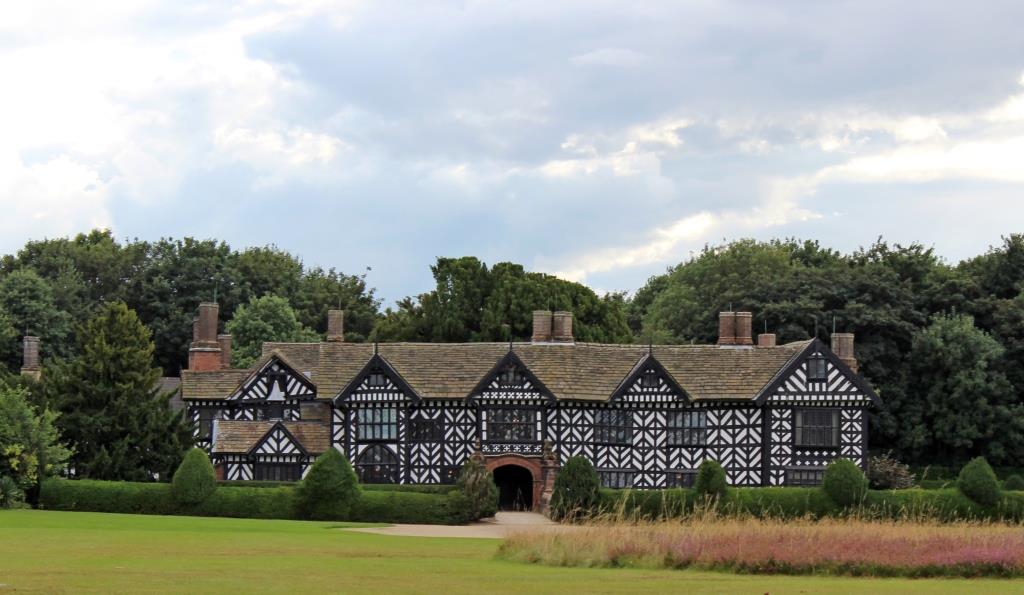
Speke Hall is a beautiful old manor house, with parts dating back to Tudor times, and itโ€™s just the kind of place that wicked Lord Childecott, the antagonist in Following the Green Rabbit, might have lived, although I had to whisk it away to the next county for the purposes of my story. In addition, the estate’s former farm buildings, which were converted into the tea-rooms, could quite easily have served as one of the outbuildings in which Mr Eyre was imprisoned by the evil Lord, if you picture them without windows and with a thatched roof, as they probably would have been in the past.

I was deliberately vague about the time-period in which the novel was set in order to avoid becoming embroiled in too much historical research, but weโ€™re somewhere in the late sixteenth century. Like William Norris, a Royalist, who lived in Speke Hall at the time, Lord Childecott would be suspicious of both the French and the Jacobites. Of course, my antagonist is suspicious of any stranger, but to tell you more would give the game away if you havenโ€™t read the novel.

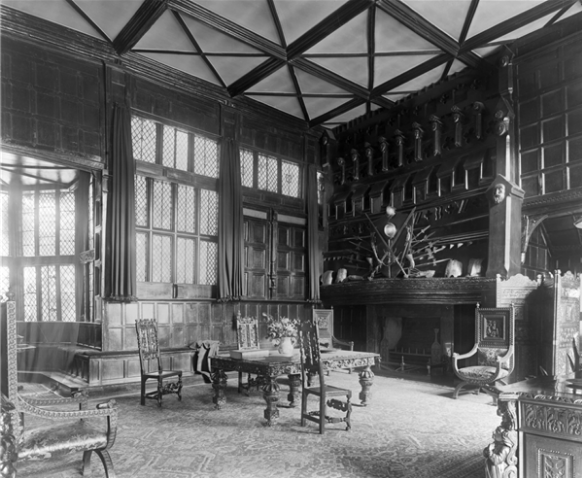
I had in mind the Great Hall with its grand fireplace and oak paneling, as the setting for the scene below.

Speke Hall, The Great Hall

Excerpt from ‘Following the Green Rabbit

Up at the Manor House, Lord Childecott was getting nowhere with his new prisoner. Despite his best efforts, Mr Eyre was failing to co-operate. True, he hadnโ€™t resorted to violence yet, and that was always a possibility. His chief enforcer, Smiler, so named because of his lack of teeth, was a dab hand with the thumb screws and other less than dainty tools. However, he had a feeling that such methods would only work if Eyre was to watch them being applied to someone he cared about. If local gossip was true, then he knew just who that would be.

Lord Childecott paced the room while Mr Eyre sat patiently on the chair to which he had been bound. Since his capture that afternoon, heโ€™d been locked up in a dusty outbuilding. He had tried to find a way out, but although heโ€™d succeeded in freeing himself from the ropes which tied his hands and feet, escape from the building had proved impossible. Now it was evening. He was hungry and thirsty and he was facing his captor and his questions.

โ€œIโ€™ll ask you again, Eyre, where are you from?โ€

โ€œAnd Iโ€™ll tell you again. I came from the other side of the wood.โ€

โ€œYou were on my land and thatโ€™s forbidden.โ€ Lord Childecott glared at him. What do you want here?โ€ He strode over and fingered Mr Eyreโ€™s jacket. โ€œAnd why are you so strangely dressed?โ€

Had his hands not been bound to the chair, Mr Eyre would have raised them in a gesture of exasperation. โ€œIf I told you where Iโ€™m from, you wouldnโ€™t believe me.โ€

โ€œTry me,โ€ Lord Childecott snarled, an inch from Mr Eyreโ€™s face. Mr Eyre tried to avoid grimacing at the stench of Lord Childecottโ€™s rotten-toothed breath.

โ€œI believe Iโ€™ve come from the future. More than two hundred years in the future, judging by what youโ€™re wearing and the style of the buildings here,โ€ Mr Eyre replied glancing around the room.

โ€œDonโ€™t trifle with me, Eyre.โ€

โ€œIโ€™m not. Look, you say Iโ€™m strangely dressed. This is how gentlemen are accustomed to dress in the first decade of the twentieth century. Look in my pocketโ€ he indicated his jacket pocket. Childecott didnโ€™t move. โ€œWell, go on, look.โ€

Childecott reached into Mr Eyreโ€™s pocket and brought out the Box Brownie.

โ€œThatโ€™s called a camera. Itโ€™s a new invention. Something from the future,โ€ said Mr Eyre. โ€œIt takes pictures, likenesses if you will.โ€ Mr Eyre thought for a moment. โ€œLike an automated artist.โ€

Childecott turned the camera over in his hands. He put it to his ear and shook it. โ€œIn this little box?โ€

โ€œDo be careful with that,โ€ Mr Eyre pleaded.

Childecott tossed the camera onto a nearby couch where it rolled over and came to rest on its side. โ€œI donโ€™t believe you. Some foreign toy, no doubt,โ€ he sneered. โ€œNow, who are you working for? The Jacobites? The French?โ€

โ€œIโ€™ve told you. Iโ€™m not working for anyone and Iโ€™m not a spy. Iโ€™ve told you what I believe has happened.โ€

โ€œEnough! You are trying my patience.โ€ Lord Childecott thought for a moment, then turned to one of his men who was standing by the door. โ€œLock him up again and fetch Martha Stebbins, Iโ€™m sure we can give you an incentive to talk once you see what Smiler here can do to your friend Mistress Stebbins.โ€

Two of Lord Childecottโ€™s enforcers untied Mr Eyre, then taking him firmly by the arms, frog-marched him from the room.

โ€œNo! No!โ€ He struggled against them wildly. โ€œYou leave Martha out of this. Iโ€ฆโ€ At Lord Childecottโ€™s signal one of the guards stuffed a grubby piece of material in to Mr Eyreโ€™s mouth and he could speak no more.

As the two enforcers dragged the struggling Mr Eyre across the courtyard and back to the barn, he noticed a flash of movement behind the Manor House. The guards, however, were too preoccupied with trying to manoeuvre their resisting captive to notice the two boys watching from the other side of the yard. Mr Eyre was manhandled through the barn door, all the time protesting through his gag. One of the men yanked it out of his mouth.

โ€œGo on, you can yell all you like out here. No one will hear you.โ€ He laughed and heaved the door closed, dropping the heavy wooden plank into place and barring the door shut.

Mr Eyre got to his feet and started to hammer on the door with his bound hands, bellowing at the top of his voice to be released.

โ€œRight then, weโ€™d better go and fetch old Martha,โ€ the guard said to his companion as they stomped off, leaving Mr Eyre cursing and yelling and banging on the barn door.


Following the Green Rabbit
is available in paperback and ebook from Amazon at a discounted price
for the month of December.

USAย ~ย UKย ~ย CANย ~ย AUSย ~ย IND
the rest of the world


Image credits: Rodhullandemu, wikiwand, countrylife.co.uk

Location, Location, Location #8

Location No.8 – The Isle of Man

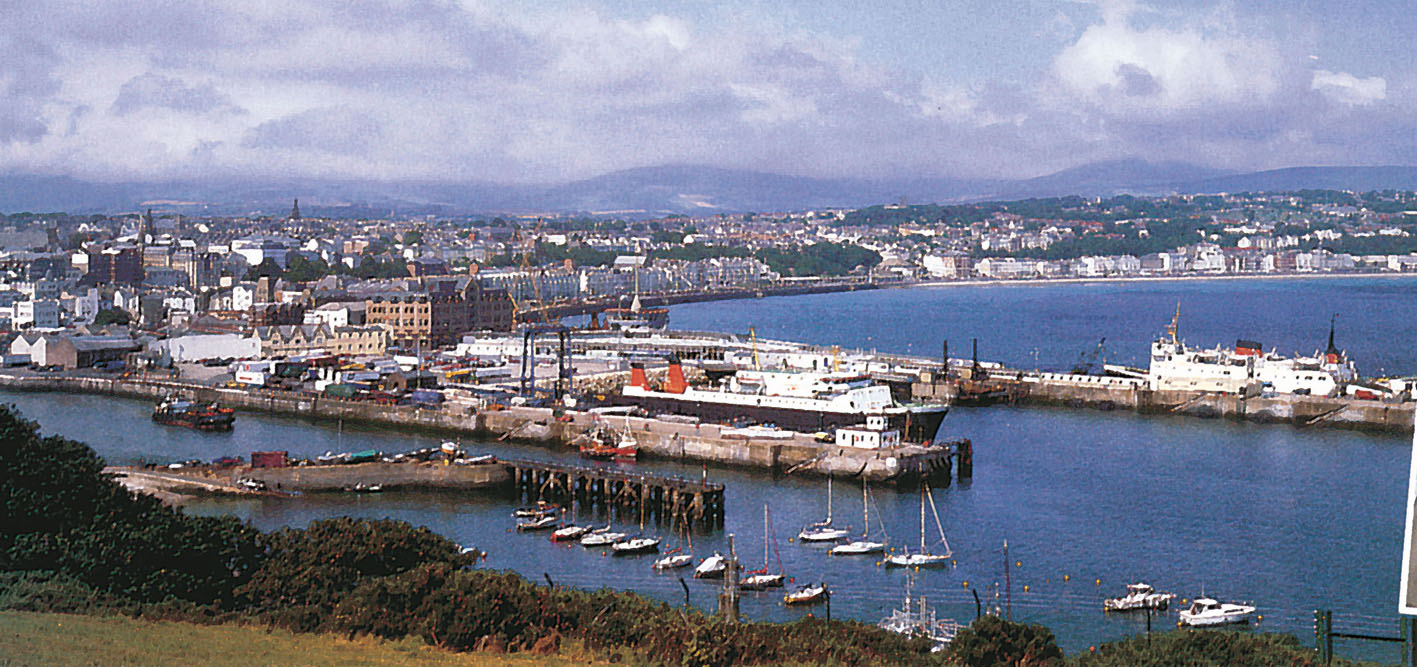
Next on our literary journey through the pages of my novels, we’re going to hop over to the Isle of Man, a small island in the Irish Sea, which lies between northern Great Britain and the north of Ireland, where we’re going to catch up with Pierre, our handsome leading man from You’ll Never Walk Alone, who’s treating Lucy to a little break away (although, if you’ve read the book, you’ll know he has another agenda).

I have fond memories of the Isle of Man, even though I only ever visited as part of my job as an insurance surveyor. I used to go there for three or four days at a time a couple times a year, but unlike Pierre and Lucy, who travel on the Isle of Man ferry, I used to fly over from Liverpool on a little Shorts 360 airplane.


Although I was working, I still managed to see quite a lot of the place between appointments. The island is probably best known for the notoriously hazardous annual TT motor cycle race. On one occasion I drove my hire car around the famous circuit, although at a considerably more modest pace than the TT competitors, of course. During the initial draft of the book, I’d been planning for Pierre to take part in the race, but the logistics became problematic. Maybe he’ll return to the island to do just that in a sequel to You’ll Never Walk Alone that my characters are still begging me to write.

I was also tempted to take Lucy and Pierre on a grand tour of the island, but it would have got in the way of the story, so I contented myself with a brief interlude in which they drive out to Peel Castle on the west coast of the island. Itโ€™s a partially restored Viking ruin, and a pretty, peaceful location where once I sat overlooking harbour to dictate a report. My typist (yes, it was that long ago) told me she wondered why she could hear seagulls in the background.


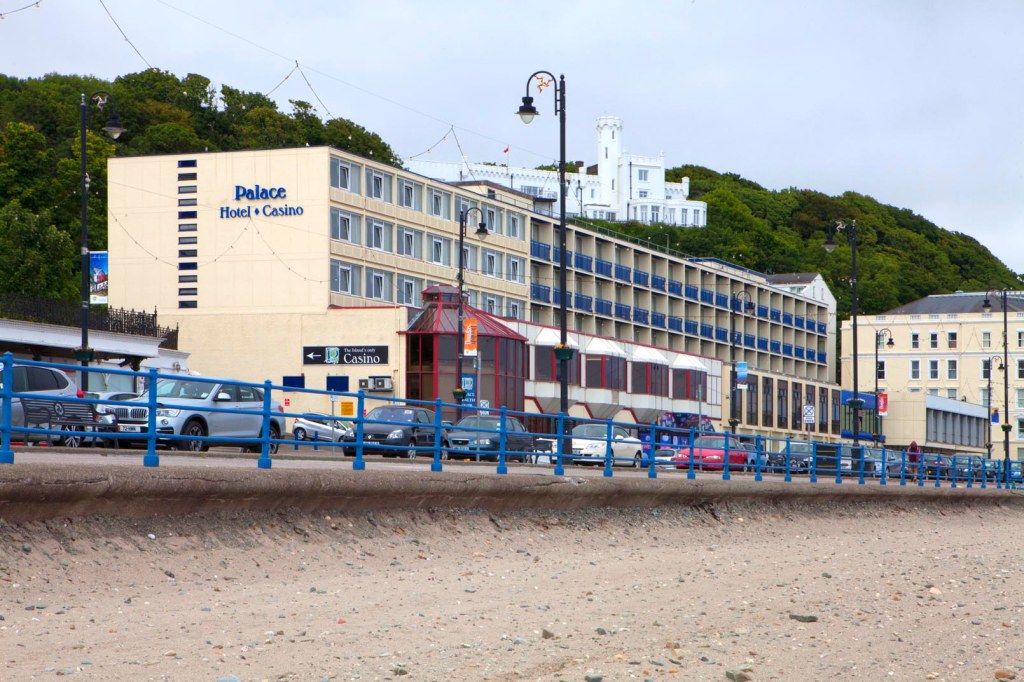
Lucy and Pierre stay in the fictional Royal Hotel, where Pierre โ€˜has a bit of businessโ€™ to attend to. It’s loosely based on the Palace Hotel and Casino, one of the places I stayed in during my visits to the island. It made a fine and fitting backdrop to the story, although I never went to the casino itself where much of the action in this part of the book is set. Nor did I visit the โ€˜back of houseโ€™ areas in that particular hotel. Trust me, itโ€™s not always a good idea to stay, much less eat, in a place where youโ€™ve inspected the kitchens. However, my knowledge of hotel security did come into play.

Excerpt from ‘You’ll Never Walk Alone’

Pierre crept along the second floor corridor. Heโ€™d left Lucy sleeping. As far as she was concerned, they were just going to help Verushka get away from the abusive Russian. Pierre hadnโ€™t mentioned the jewels again. He decided he was going to make sure he got his hands on them himself, and since he still had the passkey and d-lock, what could go wrong? Provided he was careful.

He counted off the room numbers until he reached 287. Even from outside the door he could hear the Russian snoring. Pierre took out the passkey and ran it through the slot next to the door handle. The indicator light changed from red to green and the lock clicked open. Pierre paused and listened again; satisfied, he opened the door gently and slipped into the room. He closed the door quietly. The room was shrouded in darkness. The Russian snored on. Pierre could also hear Verushkaโ€™s slow, quiet breathing; she was also asleep.

Pierre moved silently over to the wardrobe and took out the pen torch heโ€™d borrowed from behind the bar downstairs. As he opened the door, the Russian spluttered and muttered something. Pierre froze and killed the torch beam. He heard Denisovich turn over. Minutes passed. He heard the Russian breathing heavily again.

All clear, Pierre thought. He switched the torch back on and fitted the electronic device into the lock of the safe. The little door swung open. Pierre reached in and drew out a thick, velvet covered jewel case. He eased back the little golden clasp and opened it. There was the necklace, with the matching earrings and a brooch; the complete set.

As Pierre stood up he felt the cold, hard barrel of a gun press against the back of his head. ‘Turn around slowly and give that to me,’ said Verushka softly.


You’ll Never Walk Alone
is available in paperback and ebook from Amazon at a discounted price
for the month of December.

USA UK ~ CAN ~ AUS IND
the rest of the world


Image credits:
Isle of Man Tourism Board, Isle of Man Newspapers (David Kneale); jetphotos.com (Fraser McLachlan); Trip Advisor; Best Western Hotels

Location, Location, Location #6

Todayโ€™s stop on our literary journey through my novels takes us to a specific part of Liverpool. From the pages of Youโ€™ll Never Walk Alone, we visit one of best-known and best-loved traditional hostelries in the city, The Philharmonic Dining Rooms, commonly known as โ€˜The Philโ€™.

Built at the beginning of the 20th century, the building is an architectural gem. The interior is ornately decorated using musical themes that relate to the concert hall across the road. Two of the smaller side rooms are appropriately named, โ€˜Brahmsโ€™ and โ€˜Lisztโ€™ and, although I donโ€™t mention them by name, it is in one of these rooms that Ruth and Connor settle themselves in the excerpt below. Also of note in this splendid location are the gentlemenโ€™s urinals, which are made from rose-coloured marble (ladies are allowed to take a peek when itโ€™s not busy, and yes, of course Iโ€™ve been for a look).

This grand public house is popular with folk from all walks of life, but especially โ€˜artyโ€™ types like writers and musicians, and students. Close to the campus of the University of Liverpool, where I studied back in the early 1980s when the novel is set, it was always a popular stop on the way into town of an evening. Connor would be in his element here, and indeed in any bar!

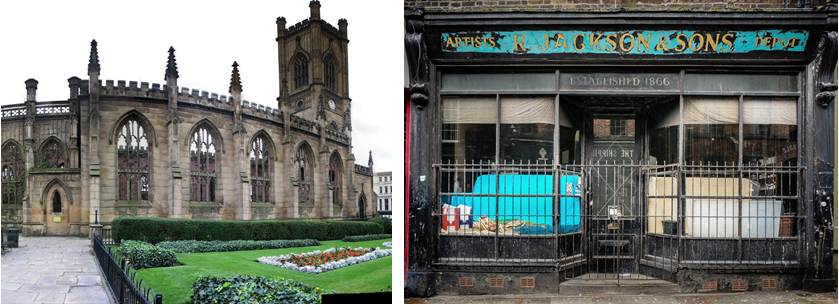
Connor and Ruth arrive at โ€˜The Philโ€™ by way of St. Lukeโ€™s Gardens, where they first meet up. Better known as the โ€˜Bombed Out Churchโ€™, St. Lukeโ€™s another well-known Liverpool landmark, popular for assignations of various kinds. The church was badly bombed during the WWII and only the shell remains, but the gardens, even then, were nicely kept and were open to the public during the day.

One final note: there is an art supplies shop in Slater Street, called Jacksonโ€™s. One of those โ€˜properโ€™ old shops, which has been there since the late 1890s. Past customers include famous Liverpool artists, Augustus John and Stuart Sutcliffe. I had a friend who worked there. I suppose that Ruth might have been very, very loosely based on her. Donโ€™t let the unprepossessing photo put you off. Itโ€™s changed a bit since the photo below was taken, although this is more how I remember it.

Excerpt from Youโ€™ll Never Walk Alone

Ruth checked that the back door was locked and bolted, snatched up her keys and handbag, and picked up a package from the counter. She fastened her coat and pulled the hood over her short blonde hair before stepping out into the early evening drizzle. She quickly double-locked the front door and padlocked the wrought iron gates over the shop front of Windsorโ€™s Art Supplies, the family shop which her great, great-grandfather had opened in 1879.

She glanced up and down Slater Street, then crossed the road into the narrow street opposite. The heels of her shoes struck the pavement determinedly. A few minutes later she was hurrying across the busy road towards the gardens of the bombed-out church of St Lukeโ€™s. The cathedral clock further up the hill was just striking five oโ€™clock as Ruth entered the church gardens. Her eyes followed the pathway as she searched for the man she was meeting. The gardens were all but deserted, the wooden benches set at intervals around the pathway empty apart from one.

As Ruth approached the man stood up and raised his hat to her. โ€œGood evening to you,โ€ he said. โ€œThank you for coming.โ€ He smiled and held out his hand. โ€œThey call me โ€˜The Poetโ€™,โ€ he said, gazing intently into her eyes.

Ruth introduced herself and shook his hand firmly.

โ€œPlease join me on my solitary pew, Miss Windsor,โ€ he continued, indicating the damp bench with a sweeping gesture. Ruth detected an Irish accent. She noticed his striking blue-green eyes which lit up his craggy face. For an older man, she found him really rather attractive.

Ruth tucked her coat under her as she sat down. The rain had stopped, but water continued to drip from the trees and bushes.

She was puzzled though. โ€œThe Poet?  I was expecting someone else. The order was placed byโ€ฆโ€

โ€œMy associate, Pierre Bezukhov.โ€  Connor said triumphantly. โ€œYou do have the painting for me then?โ€

All along sheโ€™d thought it was strange that her client had wanted to meet her away from the shop, and now heโ€™d sent someone else to pick up the painting. Still, a commission was a commission. Shrugging her shoulders, Ruth handed him the package.

Taking it from her he fingered the packaging: โ€œShall we take a little look?โ€ It had started to rain again. Connor looked skyward. โ€œBut not here.  Letโ€™s get out of the weather.โ€ Turning to Ruth he said: โ€œMiss Windsor, would you care to accompany me to a nearby hostelry, to seal the deal with a little drink as it were..?โ€

Ruth hesitated. โ€œWellโ€ฆโ€

โ€œDear Miss Windsor, I would really like to have a look at it while youโ€™re with me.โ€ Connor looked at her intently.

Ruth stared back at him. โ€œAll right, fine.โ€

โ€œThe Phil?โ€

โ€œOkay, letโ€™s go before we get any wetter.โ€

They left the gardens and hurried up the road to The Philharmonic Dining Rooms, the grand Victorian pub known for its rich tiling, stained glass and chandeliers, and of course, its wide selection of alcoholic beverages.

There were only a handful of people standing around the bar area when they arrived. They selected an empty corner in one of the small side rooms and Connor went to fetch their drinks. Ruth took off her coat and smoothed down her skirt. She eyed the package which The Poet had left on the table between them.

Connor returned empty-handed. โ€œSo sorry Miss Windsor, I appear to have forgotten my wallet.โ€

Ruth fished in her handbag and retrieved a scrunched up five pound note from its depths. She held it out to him. โ€œPlease, do call me Ruth, especially if Iโ€™m buying.โ€

Connor took the note with a slight bow and hurried back to the bar. He returned with a pint of Guinness and a gin and tonic. He piled up the change on the table in front of her. She scooped up the notes and coins and dropped them into an inner recess of her bag.

Connor lifted his glass and took a generous mouthful. Putting the drink down, he picked up the painting, then having untied the wrapper carefully he peeked inside.

Ruth leant towards him over the table and whispered: โ€œThe Turner, as ordered.โ€ She took a sip of her drink.

Connor looked up, his eyebrows raised over those striking blue-green eyes. โ€œAn original?โ€

Ruth frowned. โ€œNo, of course not. You donโ€™t know?โ€ she paused. Something was wrong. โ€œThis is exactly as the client requested,โ€ she whispered across the table.

โ€œYes. Yes of course. Just picking it up for a friend donโ€™t you know?โ€ The Poet sounded doubtful. He re-tied the wrapper and took a large pull on his pint. Cradling the painting in his lap, he looked earnestly at Ruth: โ€œHe did pay for it, I trust?โ€

โ€œWell,โ€ said Ruth slowly, โ€œhe gave me a bank deposit slip for the payment. Otherwise I wouldnโ€™t have completed the commission for him.โ€

โ€œSure he did. Of course.โ€ Connor nodded thoughtfully. There was something fishy going on. A forgery? No, surely just a copy. Ruth didnโ€™t strike him as someone whoโ€™d be mixed up in something underhand. If he did take the painting from her, and she seemed quite prepared to let him have it, what was the worst that could happen?

โ€œListen, Miss Windsorโ€ฆ Ruthโ€ฆ hereโ€™s the receipt I got fromโ€ฆ er, Mr Bezukhov,โ€ Connor held out the crumpled piece of paper. Is there something you need me to sign?

Ruth rummaged in her bag and pulled out a well-used receipt book and a pen. She leaved through the pages. โ€œHere we are,โ€ she said, placing the book in front of him and pointing. โ€œJust sign here.โ€

Connor quickly scribbled an indecipherable squiggle and passed the book back to her. โ€œThank you Ruth, itโ€™s been a pleasure meeting you.โ€ He drained his glass and tucking the painting under his arm, stood up. โ€œMaybe our paths may cross again.โ€ He smiled, blue-green eyes twinkling, as he raised his hat to her.


You’ll Never Walk Alone is available in paperback and ebook

Image credits: Rodhullandemu, Bryan Ledgard, theguideliverpool.com and Vici MacDonald

Location, Location, Location #5

Location No. 5 – Daresbury, Cheshire

The latest stop on our literary journey through my novels takes us to Daresbury, one of the numerous villages located in the rolling Cheshire plain, which was the inspiration for the village near Bluebell House, home to Bryony, Bethany and their tutor, Mr Eyre in Following the Green Rabbit.

Daresbury is not so physically close to Alderley Edge as the fictional village in the novel, but the overall impression of this pretty little village, with its narrow lanes and Victorian cottages, was the perfect backdrop for the action that was to play out in the story.

I first stumbled on this quaint little village (Iโ€™m hoping it still is) during a narrow boat holiday back in the 1980s. Searching for lunchtime refreshment, we set out from the canal, and struck out towards the nearest village, which actually turned out to be quite a tidy step! Even now, I remember the hedgerows that lined the narrow lanes, where we picked blackberries for a not-very-successful dessert that evening. We passed the church, and a little further along, we found the all-important โ€˜Ringโ€™oโ€™Bellsโ€™ public house.

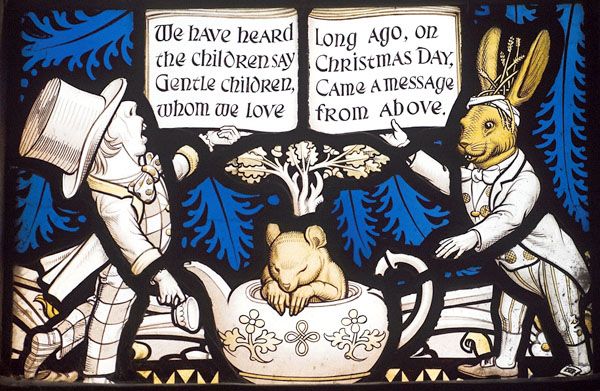
Not at all relevant to my story, but of interest, is the fact that Lewis Carroll (Charles Dodgson) was born at the vicarage in Daresbury. All Saintโ€™s church has some wonderful stained-glass windows depicting scenes from Aliceโ€™s Adventures in Wonderland.

Lewis Carroll inspired window in All Saint’s Church, Daresbury

There’s a print of this lovely depiction hanging in my bathroom. Was it from this connection that I unconsciously introduced a strange green rabbit into the story? We don’t actually visit the interior of the church in the book. If we had, it might have sent Mr Eyre down a whole new rabbit hole. But I digress.

The village green is a key location in Following the Green Rabbit, but as far as I recall, there isnโ€™t much of one in Daresbury, and I found myself remembering the one in the village in which I grew up, in Upper Poppleton, near York, way across the Pennines in Yorkshire. I have the impression that there were stocks on the corner of the Green at one time, but I think thatโ€™s just my imagination!

The Village Green in Upper Poppleton

Excerpt from โ€˜Following the Green Rabbitโ€™

The village was a pleasant fifteen minute walk from Bluebell Wood House. The narrow lane was lined with leafy hedgerows where insects buzzed. โ€œWe collected blackberries and elderberries for jam along here last year, Mr Eyre.โ€ Bryony pointed out a row of tall bramble bushes. โ€œLook Bethany, there are so many again, and theyโ€™ll be ripe soon.โ€

โ€œAnd did you eat as many as you picked?โ€ Mr Eyre said, laughing as he rummaged about in the bushes, examining the fruit. โ€œI know I did as a boy.โ€

โ€œDo they have blackberries in London?โ€ asked Bethany.

โ€œWell, not in the city itself, apart from in some of the parks. But I grew up in Kent. I only went to London later on.โ€

They walked a little further. โ€œSo tell me, ladies of the flowering vine and house of figs, what other useful plants can we find here in the hedgerows?โ€ He rubbed his chin. โ€œYou know we really shouldโ€™ve brought a flora.โ€

โ€œA flora?โ€

โ€œYes, you know, Miss Bryony, a book for identifying flowering plants. No doubt your Papa has such a volume in his collection?โ€

โ€œOh yes, Iโ€™m sure he has.โ€

Mr Eyre plucked a couple of likely samples from the hedge and tossed them into Bethanyโ€™s basket. He crouched before her, eyes wide with enthusiasm. โ€œMaybe you could try drawing some of them?โ€

Bethany nodded happily.

โ€œAnd I could label them,โ€ added Bryony.

โ€œSplendid idea,โ€ Mr Eyre exclaimed, rising swiftly to his feet and waving his forefinger in the air. โ€œUsing the original Latin names, of course.โ€ He spun around and pointed down the lane. โ€œNow let us press on into the village.โ€

The lane broadened out at the crossroads at the edge of the village which boasted a line of neat brick-built houses arrayed around the village green. There were couple of stone water troughs for passing horses and, much to Mr Eyreโ€™s delight, the old village stocks, which fortunately were padlocked shut, or otherwise, no doubt, he would have felt himself obliged to demonstrate.

The post office and general store was on the far side of the green. Mr Eyre lengthened his stride on seeing his objective and the girls almost had to run to keep up.

The little bell above the door tinkled as Mr Eyre opened it. Rosy-cheeked Mrs. Gilbert was standing behind the post office counter. She greeted the two girls warmly and asked when they were next expecting a letter from their parents. โ€œSo exciting dealing with post from so far away!โ€ she exclaimed. Bryony answered politely and swiftly introduced Mr Eyre, who she noticed was twitching with impatience.

He rubbed his hands together. โ€œMrs. Gilbert, delighted to make your acquaintance. Tell me, have you a package for me? I am expecting one.โ€

โ€œLikewise Iโ€™m sure, Mr Eyre, Iโ€™ll have a look in the back.โ€ Mrs. Gilbert bustled through into the storeroom. A few moments later she returned with a parcel almost the size of a shoe box neatly-wrapped in brown paper. She looked at it inquisitively, peering up at Mr Eyre from behind her half-moon glasses.

โ€œMay I?โ€ Mr Eyre put his hand out.

โ€œA mystery parcel from my newest customer. What can it be?โ€ she said curiously.

โ€œAha, you will have to wait and see, Mrs. G.โ€ Mr Eyre replied, touching the side of his nose. He turned to the girls. โ€œMiss Bryony, Miss Bethany, will you accompany me further?โ€

โ€œWell I never did. Not a word of an answer,โ€ said Mrs. Gilbert to herself as they left the shop.


Following the Green Rabbit is available in paperback and ebook.

Image Credits: GoogleMaps, haltonheritage.co.uk