From the very first time I stepped onto the continent of Africa in 2003, that moment when I put my foot onto the tarmac at Cape Town airport, I felt a strange tingle in my bones; I felt I’d come home. So far as I’m aware, I have no family roots anywhere on this huge continent, but nevertheless, I felt an affinity with the land. Even before connections and coincidences led me and my husband to start another chapter in our lives in South Africa, ten years ago, I’d become fascinated with the landscape, the wildlife and the people who’d foraged along the shores and wandered over the wide, scrubby grasslands of the veld.
The story of the original inhabitants of what is now the Western Cape is a sad one of exploitation, displacement and dispossession, all so tragically similar to many of indigenous populations across the world. I’ve followed my fascination with those early people, the Khoisan through works of both fact and fiction – there’s a reference list of books I’ve read at the end of this post – but it’s their legends and customs that have increasingly inspired my writing.
A nod or two to those landscapes and traditions have wormed their way into my most recent novel, Song of the Sea Goddess, and the so far unnamed sequel I’m busy with now, but for the most part my inspirations have manifested themselves in some of the short pieces and poems which I’ve shared here on my blog, like my San Man stories last year, and more recently, my micro-fiction series, Owab and Aquila.
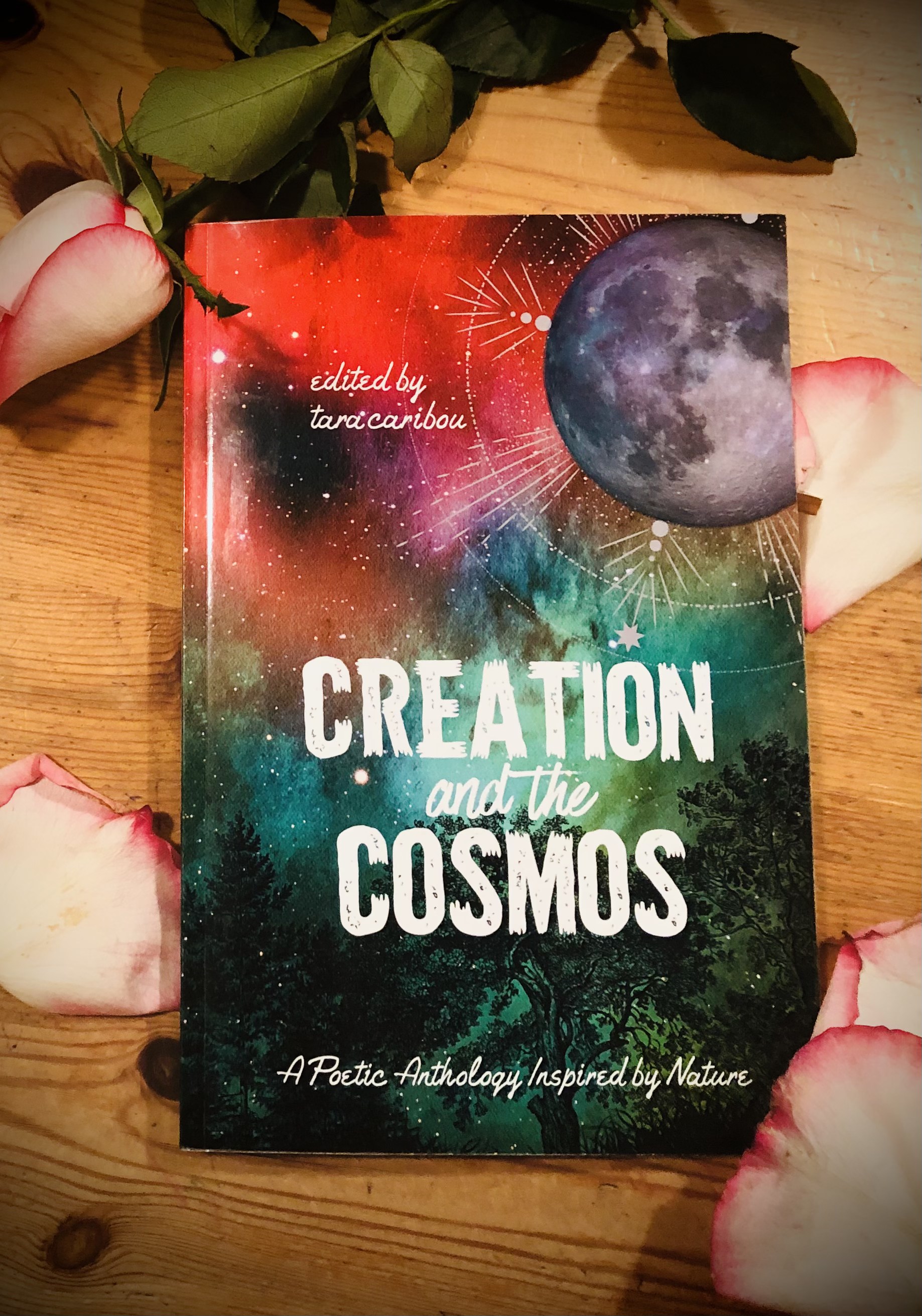
Also last year, when the opportunity arose, I wrote a handful of poems inspired by the legends and landscape of South Africa to submit for inclusion in Creation and the Cosmos – a Poetic AnthologyInspired by Nature, edited and published by the talented tara caribou of Raw Earth Ink. I was delighted to have all five of them accepted and to have my words included amongst the poems and photographs of a such a wonderfully talented group of creatives. Here’s one.
.
Call of the maiden
The breeze-caressed veld sways sending dry waves to break on a distant shore whirlwind dust-devils dance over bare earth rising up to be scorched into stillness.
Evening swells across the veld and the thorn-tree’s shadow reaches out with tendril fingers to caress the smudge-blue foothills.
As daylight fades, the breeze quickens and the new maiden emerges standing on the threshold of the distant koppie in that powerful place between hearth and wilderness.
She turns and kneels at the young man’s side offering herself to him. Limbs entwine and under the eyes of the ancestors they become one.
Darkness closes in and the great African she-moon rises pin-prick stars stab the violet-thick night and now the once-maiden cries out her triumphant ululation echoing across the empty veld.
I first posted this poem two years ago. A year later, when we were under lockdown and the noise of engines fell silent and wild animals walked the streets, it seemed that nature just might have a chance, but once again, pollution spews, plastic continues to fill the oceans and the ice caps are melting even more quickly. Today, Earth Day 2021, I find my poem is just as relevant, maybe more so.
Although there is an ebook version, I’d strongly recommend you choose the paperback. See how beautiful it is, shown off in this video by fellow contributor, Cassa Bassa.
Mickey, the young mantis, poked his head out of the bougainvillea bush. There she was, the lovely Marula, sunning herself on the trellis by the stoep. He watched her in admiration as she stretched out her plump olive-skinned limbs. His ardour was rising. She was a gorgeous creature. If only he could get her to notice him.
He crawled down to the windowsill where Gerald the Gecko was snapping at flies. Gerald followed Mickey’s gaze. ‘That mantis-lady’s a tough cookie, Mickey. You should steer clear of her.’
‘But she’s…’
‘She’s too old for you, Mickey.’
Charlie the Chameleon slowly made his way up the lavender bush, his colour changing from a dusty grey to jade green. ‘I couldn’t help overhearing you two,’ Charlie said, rolling his eyes so that one fell on Marula and the other fixed on Mickey. ‘Don’t grow up too fast, Mickey, she’ll eat you for breakfast.’
It was isolated. Very isolated. No one for miles and miles.
That was what she wanted, what she’d planned for.
And what she needed.
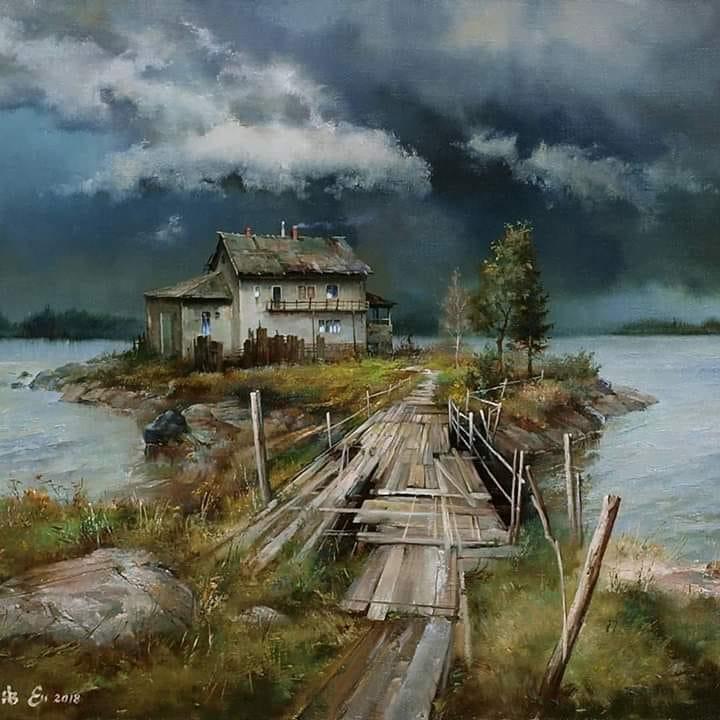
The house was almost on an island. Just a rickety wooden bridge led to the lakeside.
Otherwise, just water. She could hear it lapping, gently.
On the rocks below.
She unpacked her things. Not much. Who would need much here, alone?
No-one to please, no-one to dress up for.
No-one to dress for.
Just her, the house and the elements; the water, the sky and the sound of nothing much.
She breathed in the cold air. Threw her arms wide.
She was part of it.
She had all the time she wanted now, for this would be her final journey.
She would simply be swallowed up.
Into the landscape.



 luna's on line